

Key Takeaways
- Burnout is a state of chronic depletion distinct from ordinary tiredness, requiring different recovery strategies.
- Continuing to push through burnout typically deepens exhaustion rather than resolving it.
- Recovery involves deliberate rest, boundary-setting, and addressing root causes — not willpower alone.
- Recognizing burnout early and responding appropriately can prevent more serious long-term impacts on wellbeing.
- Consult a qualified healthcare professional if burnout symptoms are severe or persistent.
Burnout Is Not Just Being Tired
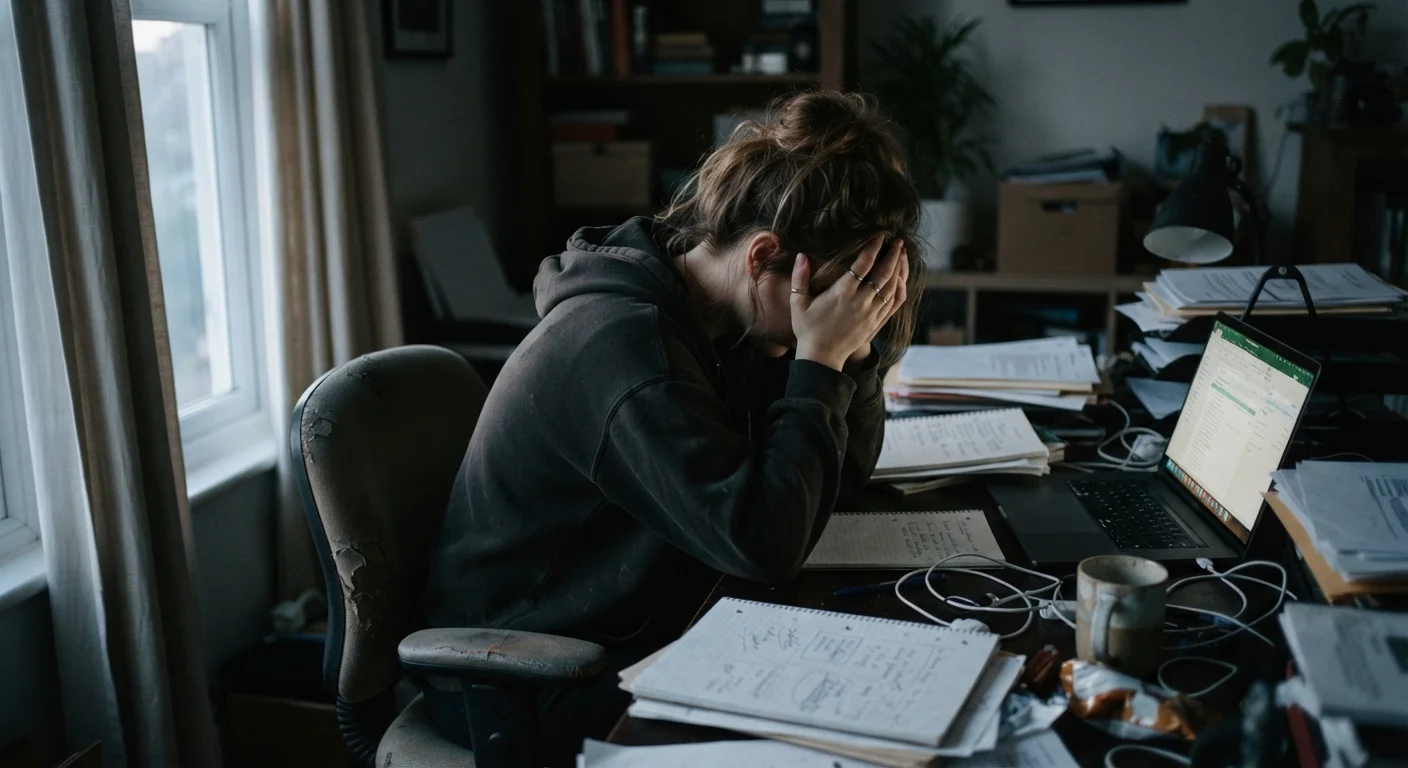
Most people have felt run-down after a demanding week. Burnout is something different — a state of prolonged physical, emotional, and cognitive exhaustion resulting from sustained stress without adequate recovery. The World Health Organization classifies burnout as an occupational phenomenon, characterized by feelings of energy depletion, growing mental distance from one's work, and reduced professional effectiveness.
The critical distinction matters because the instinct that works for ordinary fatigue — rest briefly, then push forward — can actively worsen burnout. When the nervous system is already running on fumes, adding pressure doesn't build resilience. It deepens the deficit. Understanding this is the first step toward choosing responses that actually support recovery rather than delay it.
For a broader look at how popular mental wellness assumptions can mislead, see widely held beliefs about mental health habits that don't hold up under scrutiny.
Treating burnout like ordinary fatigue and expecting a night's sleep or a short break to fix it.
Why it happens: Tiredness and burnout look similar on the surface, and most people have learned that rest solves tiredness. The assumption transfers automatically, even when the underlying problem is different.
Relying on willpower and discipline to work through the exhaustion rather than addressing its source.
Why it happens: Productivity culture often frames pushing through difficulty as a virtue, making rest feel like weakness or failure. This framing is deeply ingrained in many workplace and personal identities.
Using passive distractions — scrolling, bingeing television, alcohol — as the primary recovery strategy.
Why it happens: These activities feel easier than engaging with the source of stress and provide short-term relief from discomfort. They are often mistaken for genuine rest because they require little effort.
Ignoring the role of boundaries and continuing to accept new responsibilities during a burnout period.
Why it happens: Saying no — especially at work — can feel professionally risky or socially difficult. People often hope they'll recover quickly enough that the extra commitment won't matter.
Assuming burnout will resolve itself without any deliberate change in circumstances or habits.
Why it happens: People sometimes confuse the eventual fading of acute distress — which can happen naturally — with actual recovery. The underlying conditions often remain unchanged.
Why Recovery Requires a Different Approach
Genuine burnout recovery isn't passive. It requires actively removing or reducing the stressors driving depletion — not just taking a weekend off before returning to the same conditions. Research consistently suggests that structural changes, such as boundary-setting, workload negotiation, and rebuilding autonomy, matter as much as rest itself.
77%
Workers who have experienced burnout at their current job
According to a Deloitte workplace survey, a large majority of professionals report experiencing burnout, with workload cited as the leading cause.
2–3×
Increased likelihood of seeking new employment among burned-out employees
Research published in occupational health literature suggests burned-out workers are significantly more likely to leave their roles, pointing to the organizational as well as personal costs of unaddressed burnout.
Sleep is foundational but not sufficient on its own. Cognitive rest — reducing decision-making demands and information overload — is equally important. Many people find that restructuring daily rhythms, rather than relying on motivation to appear spontaneously, creates the conditions for gradual recovery. The article on building a daily routine that supports emotional balance offers practical steps for doing exactly that.
Vacation Alone Rarely Resolves Burnout
Time away from work can provide temporary relief, but if the same conditions and habits are waiting on return, symptoms typically resurface quickly. Sustainable recovery requires changes to the environment or demands driving the burnout — not just a pause from them. Think of a break as a window for recovery work, not the recovery itself.
Recovery timelines vary significantly between individuals and depend heavily on how long burnout has been building. There is no reliable universal schedule. If symptoms are severe, persistent, or significantly impairing daily functioning, speaking with a qualified healthcare or mental health professional is the appropriate next step — not a self-help workaround.
Building the capacity to recover and adapt over time is closely related to emotional resilience. The practices described in emotional resilience: everyday practices that help you recover from setbacks complement a burnout recovery approach well.
When to Seek Professional Support
Burnout that includes persistent low mood, physical symptoms such as sleep disruption or appetite changes, or feelings of hopelessness warrants evaluation by a healthcare or mental health professional. These experiences can overlap with clinical conditions like depression and anxiety, which have specific, evidence-based treatments. Self-help strategies are not a replacement for professional care when symptoms are significant. See also mental health myths that keep people from getting support if barriers to seeking help feel significant.
This article provides general wellness information only and is not a substitute for professional medical or mental health advice. If you are experiencing severe symptoms, please consult a qualified healthcare provider.