

Key Takeaways
- Mulch reduces how often you need to water by slowing soil moisture evaporation.
- A 2–3 inch layer is generally enough; piling mulch too thick can harm plants.
- Organic mulches break down over time and improve soil structure as they decompose.
- Mulch suppresses weeds by blocking the light weed seeds need to germinate.
- Keeping mulch away from plant stems prevents rot and pest problems.
Mulch
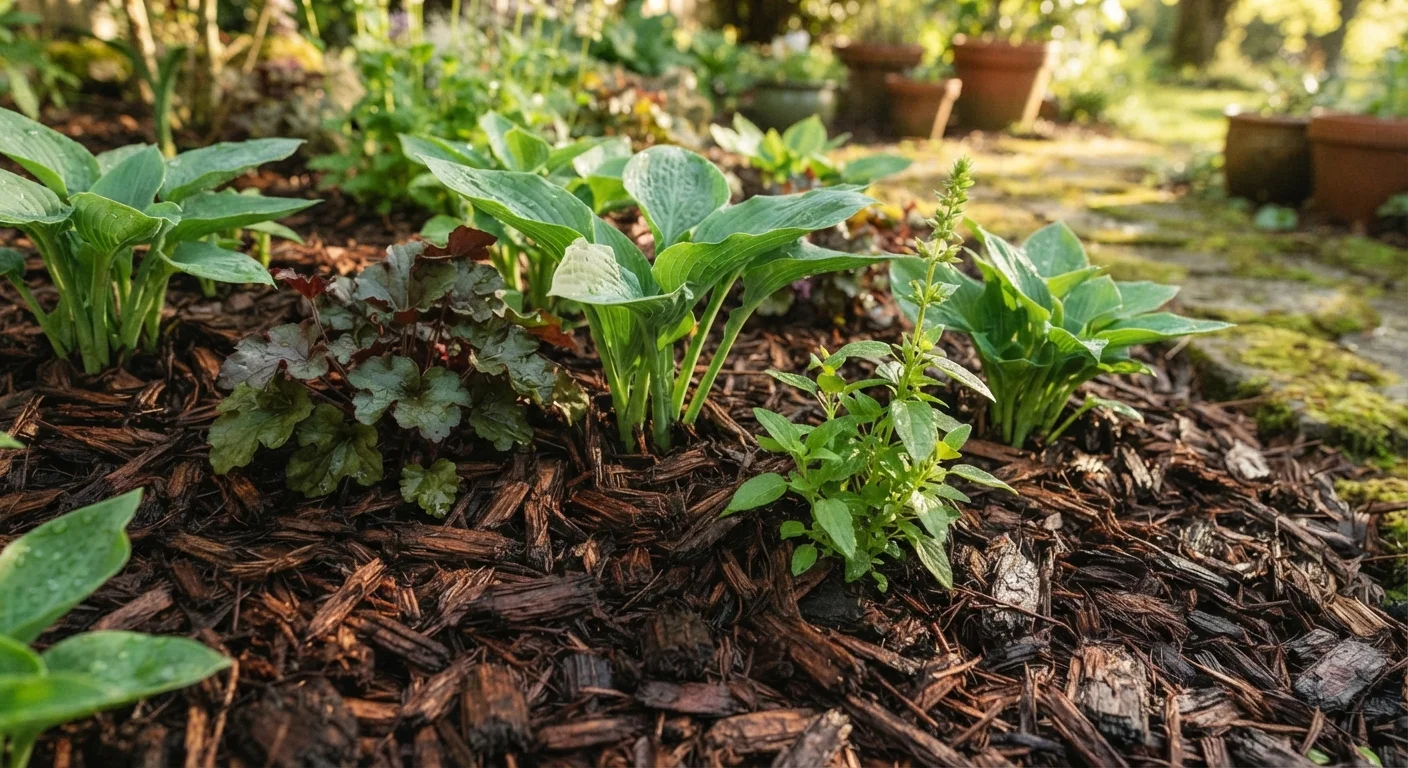
Mulch is any material — organic or inorganic — spread over the surface of garden soil to protect and improve it. Common types include shredded wood, bark chips, straw, and even gravel. Its primary jobs are holding moisture in the soil, keeping soil temperatures stable, and slowing weed growth.
Organic mulches gradually decompose and add organic matter to the soil, while inorganic mulches (such as gravel or landscape fabric) offer long-lasting coverage without contributing nutrients.
More Than Just a Finishing Touch
Many homeowners spread mulch because it makes garden beds look tidy. That's a reasonable motivation — but it undersells what mulch actually does. Beneath its surface, a proper layer of mulch is quietly doing several important jobs that directly affect how well your plants survive heat, drought, and weed competition.
Understanding what mulch does (and doesn't do) helps you apply it more intentionally, choose the right type for your situation, and avoid the common mistakes that can turn a helpful habit into a harmful one.
Up to 70%
Reduction in soil moisture evaporation
Research from university extension programs suggests mulched beds can lose significantly less moisture to evaporation than bare soil under comparable conditions.
2–3 inches
Recommended mulch depth for most garden beds
This range is widely cited by cooperative extension services as effective for weed suppression and moisture retention without smothering soil.
10°F or more
Potential soil temperature difference vs. bare soil
Studies on mulch insulation show covered soil can remain measurably cooler in summer and warmer in early winter compared to unprotected ground.
Moisture Retention: Mulch's Most Valuable Role
Bare soil loses water quickly. Sun and wind pull moisture from the surface through a process called evaporation, leaving the upper inches of soil dry even shortly after watering. A mulch layer acts as a buffer — it shields the soil from direct sun and slows that moisture loss considerably.
For gardeners trying to water less frequently or maintain plants through dry spells, this effect is significant. It pairs well with thoughtful watering habits — see our guide to common watering mistakes for context on when and how moisture actually reaches plant roots.
Water Before You Mulch
If you're applying mulch to a dry bed, water the soil thoroughly first. Mulch locks in whatever moisture is present when you apply it — so starting with dry soil means you're sealing in a deficit. A good deep soak before spreading mulch gives you the best result.
Temperature Regulation Beneath the Surface
Soil temperature swings more dramatically than most gardeners realize. On a hot summer day, bare topsoil can reach temperatures that stress or damage shallow roots. In fall and early winter, unprotected soil cools rapidly, potentially harming perennials and overwintering bulbs.
Mulch insulates. In summer, it keeps the soil cooler than the air above it. In colder months, it slows heat loss from the ground — acting much like a blanket. This is one reason fall mulching is worth doing even after planting season ends. Our article on preparing your yard as the growing season ends covers this as part of a broader autumn checklist.
Don't Mulch Too Early in Spring
In cooler regions, mulching too early in spring can slow soil warming — which delays planting and can stress cool-sensitive plants in both directions. Wait until the soil has warmed noticeably before applying a spring layer, especially in northern states where the ground stays cold well into April.
Weed Suppression: Fewer Hours Pulling
Weeds need light to germinate. A solid mulch layer denies them that light, significantly reducing how many weed seeds successfully sprout in a bed. This doesn't eliminate weeds entirely — seeds blown in from above can still germinate on top of mulch — but it meaningfully cuts down the number that establish.
The practical payoff is less time on your knees weeding and more time enjoying your garden. When weeds do appear, they're easier to pull because mulch keeps the soil beneath loose and slightly moist.
Organic Mulch and Soil Health Over Time
One underappreciated benefit of organic mulches — shredded leaves, wood chips, straw — is what happens as they break down. Decomposing mulch gradually adds organic matter to the soil, improving its structure, drainage, and its ability to support soil organisms like earthworms and beneficial microbes.
This makes mulching a complement to good soil preparation, not a substitute for it. If your soil is compacted or nutrient-depleted, mulch alone won't fix it — but over several seasons it contributes meaningfully to improvement. Our soil prep guide explains what your garden soil actually needs before you rely on surface treatments to do the heavy lifting.
“Mulch is one of the best friends a gardener can have. It conserves moisture, moderates soil temperature, and feeds the soil as it breaks down — all while reducing maintenance.”
— Jeff Gillman, Horticulturist and author of several books on garden science
How to Apply Mulch Correctly
Applying mulch well is straightforward, but a few details matter:
- Depth: Aim for 2 to 3 inches. Too thin and it won't suppress weeds or hold moisture effectively; too thick and it can suffocate roots or harbor pests.
- Gap around stems: Keep mulch a couple of inches away from plant stems and tree trunks to prevent rot and pest problems.
- Timing: Spring mulching locks in soil warmth and moisture before summer heat arrives. Fall mulching protects roots through winter temperature swings.
- Refresh annually: Organic mulches break down. Check depth each spring and top up as needed.
Choosing the right mulch for your garden — whether shredded bark, straw, or another material — often comes down to what's locally available and what suits your plants. The principles of application remain consistent across most types.