

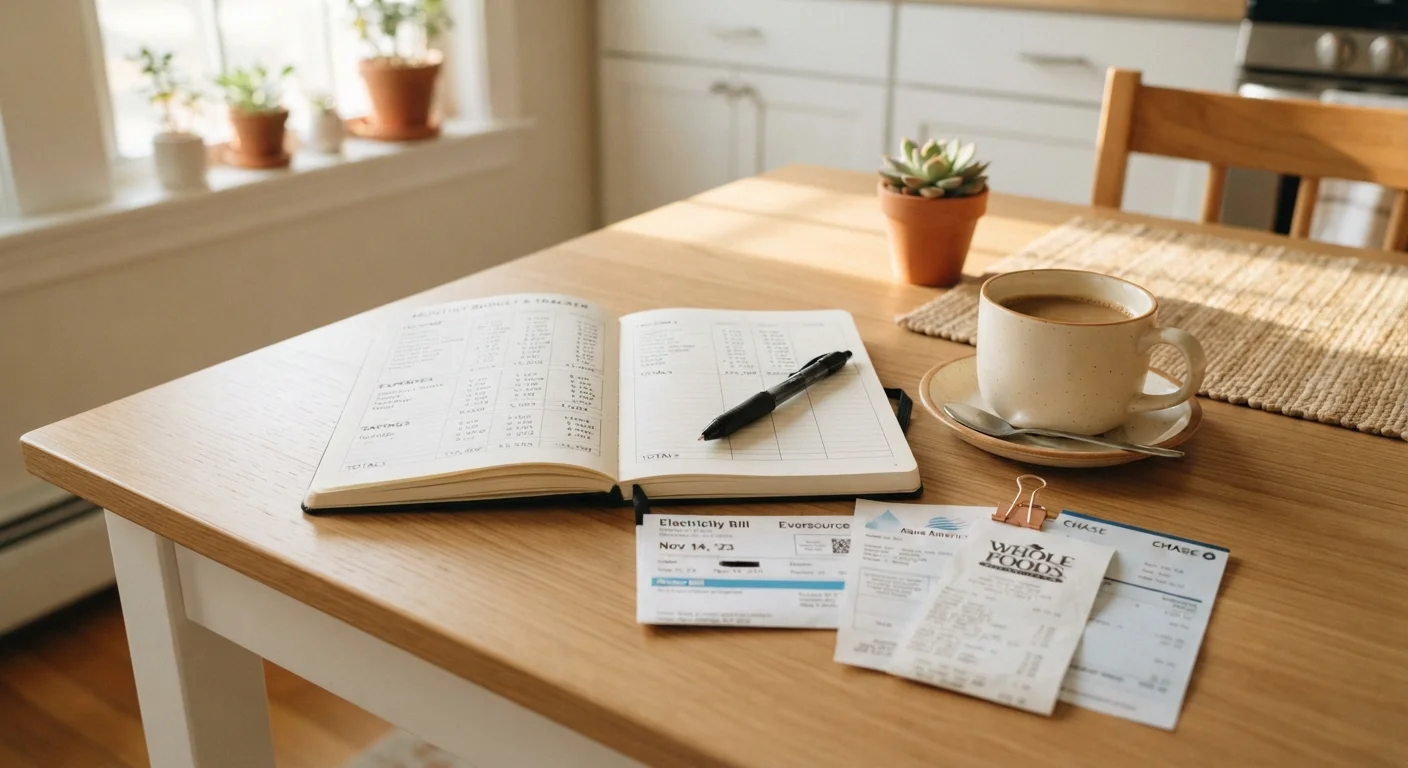
Key Takeaways
- Knowing your exact take-home income is the essential first step before allocating any spending categories.
- Fixed expenses should be listed before variable ones so your non-negotiable obligations are clear.
- A budget without a savings line item is an incomplete budget — treat saving as a recurring expense.
- Irregular expenses (annual fees, car registration) are the most common cause of budget busts.
- Your budget method — spreadsheet, app, or pen and paper — should match your habits, not the other way around.
Summary
22 items · 30–60 minutes
Why a Setup Checklist Matters
Most budgets don't fail because people are bad with money. They fail because the budget was built on incomplete information. A forgotten subscription, an underestimated grocery bill, or a missed quarterly insurance payment can knock an otherwise solid plan sideways by week two.
This checklist walks you through everything you need to gather and decide before you write a single number into a budget template. Think of it as laying the foundation. Once this prep work is done, the actual budget almost builds itself.
If you're new to budgeting and want a broader overview of the process, start with this practical guide before coming back here to work through the setup details.
Gather Your Income Information
List Your Fixed Expenses
Estimate Variable and Irregular Expenses
Set Your Savings and Debt Goals
Choose Your Budgeting Format and Method
Final Review Before You Start
Tools You'll Need
You don't need anything expensive or complicated to build a working budget. The tools below cover the full range of approaches — pick what fits your style.
Bank and credit card statements
Used to verify actual past spending so your budget categories reflect real habits, not estimates.
Pay stubs or income records
Confirms your exact take-home amount after taxes and deductions — the number your budget must be built around.
Spreadsheet software
Lets you build a fully customizable budget layout with automatic totals and easy month-to-month adjustments.
Pen and notebook
A low-friction option for people who prefer writing by hand; works well for simple monthly tracking.
Budgeting app
Syncs with bank accounts to categorize transactions automatically, reducing manual tracking effort.
List of active subscriptions
Helps you account for recurring charges that are easy to forget but add up quickly each month.
Whichever format you choose, consistency matters more than sophistication. A simple notebook budget you actually update beats a feature-rich app you abandon after ten days. If you're curious how a cash-based approach translates to modern spending, the envelope method adapted for digital spending is worth a look.
Common Pitfalls to Avoid at Setup
Even careful budgeters make a handful of predictable mistakes during the setup phase. Knowing what they are in advance helps you sidestep them.
Don't Skip the Irregular Expense Step
The most common setup mistake is budgeting only for monthly bills and forgetting costs that hit once or twice a year. Car registration, annual insurance renewals, holiday gifts, and back-to-school spending are all predictable — they just don't show up every month. If you don't plan for them in advance, they appear as "surprise" expenses that blow your budget. Divide each annual cost by 12 and set that amount aside monthly.
Avoid Basing Your Budget on Gross Income
It's tempting to use your salary figure as your starting point, but your budget must be built on take-home pay — what actually lands in your bank account after taxes, health insurance premiums, and retirement contributions are deducted. Budgeting on gross income almost always leads to overspending in the first week.
Once your budget is running, the next challenge is keeping it on track past the first week. Here's what typically goes wrong — and how to fix it.
It's also worth thinking about your emergency fund at this stage. A budget that doesn't account for unexpected costs will always feel fragile. Check whether your emergency fund is truly ready before you finalize your monthly plan. And for ongoing habits that keep a budget healthy over time, these small daily practices make a real difference.
Savings Is Not What's Left Over
If your plan is to save "whatever's left at the end of the month," there is a very good chance nothing will be left. Savings should be treated as a fixed expense and assigned a specific dollar amount at the top of your budget, before discretionary spending is allocated. Even a small, consistent amount builds meaningful momentum over time. This principle is sometimes called "paying yourself first," and it's one of the most widely recommended practices in personal finance.
This article is for general informational and educational purposes only. It is not personalized financial advice. For guidance specific to your financial situation, consider consulting a qualified financial professional.