

Key Takeaways
- Set up and test the enclosure at least 24 hours before your pet arrives.
- Species-specific diet research matters — never assume one small pet eats like another.
- Locate an exotic or small-animal vet before pickup day, not after.
- Safe handling and a quiet settling-in period reduce stress and health complications.
- Pet-proofing your space protects both your home and your new animal.
Summary
22 items · 30–60 minutes
Why Preparation Comes Before Pickup
Small pets — guinea pigs, rabbits, hamsters, gerbils, rats, birds, reptiles, and others — are often underestimated in their care requirements. They are not low-maintenance by default; they simply have different needs than cats or dogs. Because many are prey animals by instinct, they handle stress poorly, and a chaotic first day in a new home can set back their adjustment significantly.
Completing your setup in advance means the enclosure is stable, the temperature is correct, the food is ready, and you can focus entirely on your pet's comfort when it arrives. If you're also planning for a cat or dog someday, our guides on preparing for a first cat and getting ready for a first dog cover those transitions in detail.
Species Care Guide
A reputable, species-specific care guide (from a vet-reviewed source or exotic animal organization) to verify enclosure, diet, and handling requirements before setup.
Enclosure and Bedding
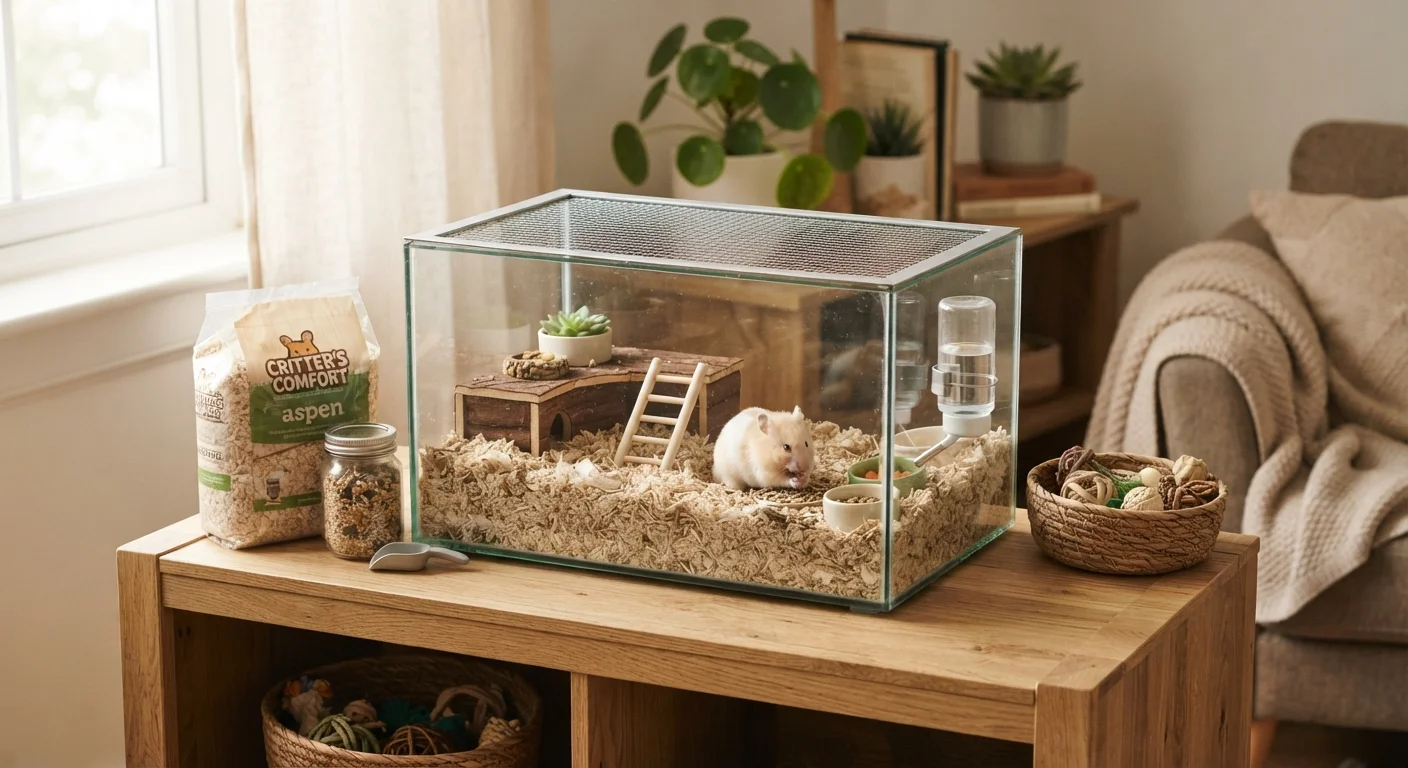
The primary habitat your pet will live in, fitted with appropriate bedding material for insulation, absorption, and burrowing as needed.
Food and Water Equipment
Food dishes, water bottle or bowl, and a starter supply of species-correct food purchased before pickup day.
Thermometer and Hygrometer
Used to monitor temperature and humidity inside or near the enclosure, critical for reptiles, amphibians, and tropical species.
Pet Carrier
A secure, appropriately-sized carrier for transporting your pet safely to and from vet appointments.
Enrichment Items
Tunnels, chew toys, climbing structures, or foraging tools that promote mental and physical stimulation inside the enclosure.
Your Pre-Arrival Checklist
Work through each group below before your pet's arrival date. Items marked must are non-negotiable for your pet's immediate health and safety. Should items are strongly recommended within the first week, and nice-to-have items will improve quality of life over time.
Enclosure Setup
Food, Water, and Enrichment
Veterinary and Health Preparation
Home Safety and Pet-Proofing
Don't Assume One Small Pet Is Like Another
Guinea pigs, hamsters, rabbits, gerbils, rats, and reptiles all have distinct — sometimes incompatible — dietary, social, temperature, and space needs. A setup appropriate for one species may be inadequate or unsafe for another. Always research your specific animal rather than relying on general 'small pet' advice from non-specialist sources.
Handling, Stress, and the First Few Days
Even with everything perfectly in place, small pets need time to acclimate. Most species benefit from a quiet 24–48 hour period where they are placed in their enclosure and largely left alone — no handling, minimal noise, and no sudden movements near the habitat. This allows their stress hormones to normalize and helps them begin associating their new environment with safety rather than threat.
When you do begin handling, keep sessions brief and keep the animal low to the ground to prevent injury from falls. Learn your species' specific body language signals for fear or discomfort — flattened ears, rapid breathing, or freezing are common indicators across many small mammals.
Find a Vet Before You Bring Your Pet Home
Not all veterinary practices treat exotic or small animals — many only see cats and dogs. Finding an appropriate vet after a health emergency arises is stressful and can delay critical care. Confirm your chosen practice treats your specific species, and book a new-pet wellness exam in advance so you have a baseline health record from day one.
For ongoing health monitoring, the same principles that apply to larger pets hold true: observe your pet daily, note any changes in appetite, droppings, activity level, or coat condition, and consult a vet promptly if something seems off. Our annual vet visit prep guide — though written for dogs — offers a useful framework for the kinds of health observations worth building into any pet routine.
This article provides general educational information for new small-pet owners and is not a substitute for species-specific veterinary guidance. Always consult a qualified exotic-animal or small-pet veterinarian for advice tailored to your individual animal.