

Key Takeaways
- Airport and tourist-zone food markups can cost travelers two to three times normal restaurant prices.
- Dynamic currency conversion at card terminals quietly adds hidden exchange fees most travelers don't notice.
- Itinerary changes made last-minute — like checked bag additions or seat upgrades — are among the most expensive travel decisions.
- Budgeting only for headline costs and ignoring incidentals is the root cause of most travel overspending.
- Awareness of the psychological patterns behind impulse spending helps travelers make better in-the-moment decisions.
The Gap Between What You Planned and What You Spent
Most travelers don't blow their budget in one dramatic moment. The money disappears in a series of small, seemingly reasonable decisions — an airport sandwich here, a currency conversion fee there, a last-minute bag fee that wasn't in the original plan. By the time you're home, the total is meaningfully higher than expected, but no single charge feels responsible.
Understanding the patterns behind these leaks is more useful than a list of things to avoid. When you recognize why overspending happens — not just that it happens — you're better equipped to catch yourself in the moment. See also our guide on persistent budget travel myths for a broader look at flawed cost assumptions travelers often carry into a trip.
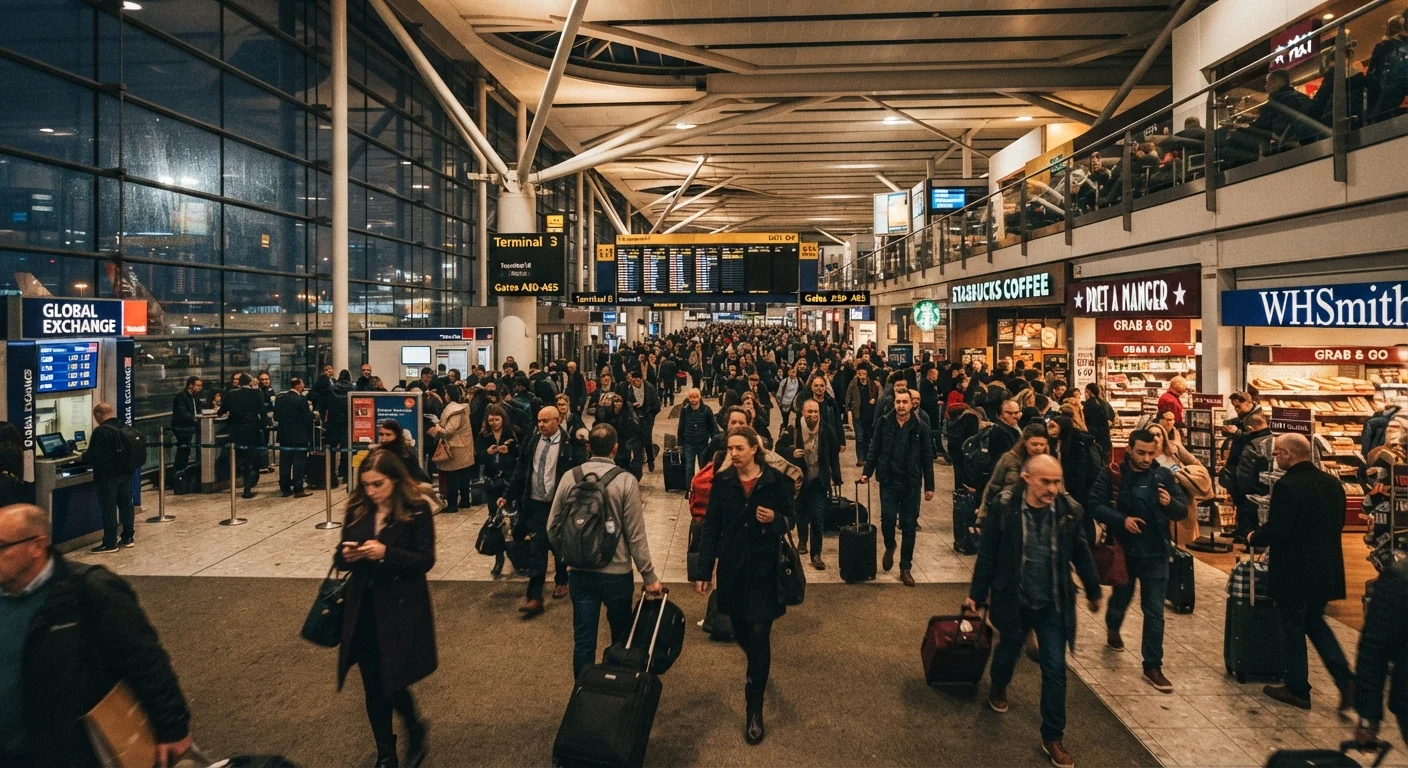
Eating and drinking exclusively in airports, transit hubs, and tourist-zone restaurants without accounting for the markup.
Why it happens: Hunger and time pressure at airports make convenience the only priority. Travelers often don't realize how steep the premium is until they check their card statement.
Accepting dynamic currency conversion (DCC) at card terminals when paying abroad.
Why it happens: Card terminals in tourist areas frequently prompt travelers to pay in their home currency, framing it as a convenience. Many travelers accept without realizing the exchange rate applied is set by the merchant, not their bank, and usually carries a significant markup.
Adding checked bags, seat upgrades, or travel insurance at the last minute rather than during initial booking.
Why it happens: Travelers focus on the base fare when booking and defer ancillary decisions, then face higher prices when they're added closer to departure or at the airport counter.
Underestimating the cost of local transportation at the destination.
Why it happens: Travelers plan for flights and hotels but mentally treat getting around on arrival as a minor detail. Ride-share surges, tourist-area taxi rates, and multi-day transit passes all add up in ways that rarely make it into a preliminary budget.
Making itinerary changes or cancellations without checking the fee structure first.
Why it happens: Plans shift, and travelers often act quickly on a new idea without pausing to check what a change will cost. Cancellation windows, change fees, and non-refundable deposits can turn a small adjustment into a significant expense.
Treating a vacation mindset as permission to abandon all spending awareness.
Why it happens: Travel is associated with celebration and escape, which psychologically licenses spending that would feel excessive at home. This 'vacation exception' thinking is one of the most reliable drivers of overspending.
The Systemic Patterns That Keep Draining Budgets
Beyond individual mistakes, there are structural habits that reliably inflate travel costs for even experienced travelers.
2–3×
Airport food cost premium over city average
Industry analyses of airport concessions consistently find food and beverage prices running two to three times higher than comparable off-airport options.
3–8%
Typical dynamic currency conversion markup
Financial consumer advocates estimate DCC markups commonly range from 3% to 8% above mid-market exchange rates, depending on the merchant and card network.
$50–$100+
Typical last-minute checked bag fee at the gate
Gate-checked bag fees vary by carrier but commonly exceed standard pre-booked baggage fees by a meaningful margin, according to airline fee schedules.
Failing to separate the budget into categories is one of the most common systemic errors. A lump-sum travel fund doesn't communicate how much is earmarked for food versus transport versus activities. Envelope-style thinking — assigning limits to each category before you leave — can reduce mid-trip surprises significantly. The envelope budgeting method translates well into digital tools like budgeting apps, even when you're spending on cards abroad.
Skipping a pre-trip audit of your itinerary is another costly habit. Running through a pre-booking checklist before you confirm reservations can surface hidden fees — resort fees, carry-on charges, cancellation penalties — that change the real cost of a seemingly good deal.
Resort Fees and 'Destination Charges' Are Often Non-Negotiable
Many hotels — particularly in Las Vegas, Miami, and major resort areas — charge mandatory daily fees that don't appear in the room rate shown during search. These can range from $20 to $50 or more per night and are typically disclosed only in fine print. Always check the full nightly rate including taxes and fees before completing a hotel booking, not just the advertised starting price.
For road trippers, these patterns show up differently but just as reliably. Fuel math errors, unplanned overnight stops, and roadside food spending are the leading culprits. Our breakdown of why road trip budgets go wrong walks through each category in detail.
A Budget Without Categories Isn't a Budget
Knowing you have $1,500 for a trip tells you almost nothing useful in the moment. Without category allocations — food, transport, accommodation, activities, buffer — there's no signal telling you when a day of spending is on track or running over. Travelers who allocate by category before departure consistently report fewer end-of-trip financial surprises. Consider reviewing budgeting basics as a starting framework you can adapt for travel.
The goal isn't to spend as little as possible — it's to spend intentionally, so your money goes toward the parts of travel that actually matter to you.