

Key Takeaways
- Cats evolved to hide pain as a survival strategy, making it easy for owners to miss early warning signs.
- Behavioral changes — like withdrawal, reduced grooming, or altered eating habits — are often the first clues.
- Facial tension, squinting eyes, and flattened ears can be physical indicators of feline discomfort.
- Even subtle changes in your cat's routine warrant a veterinary evaluation.
- Early detection of pain leads to faster treatment and better outcomes for your cat.
Pain Masking in Cats
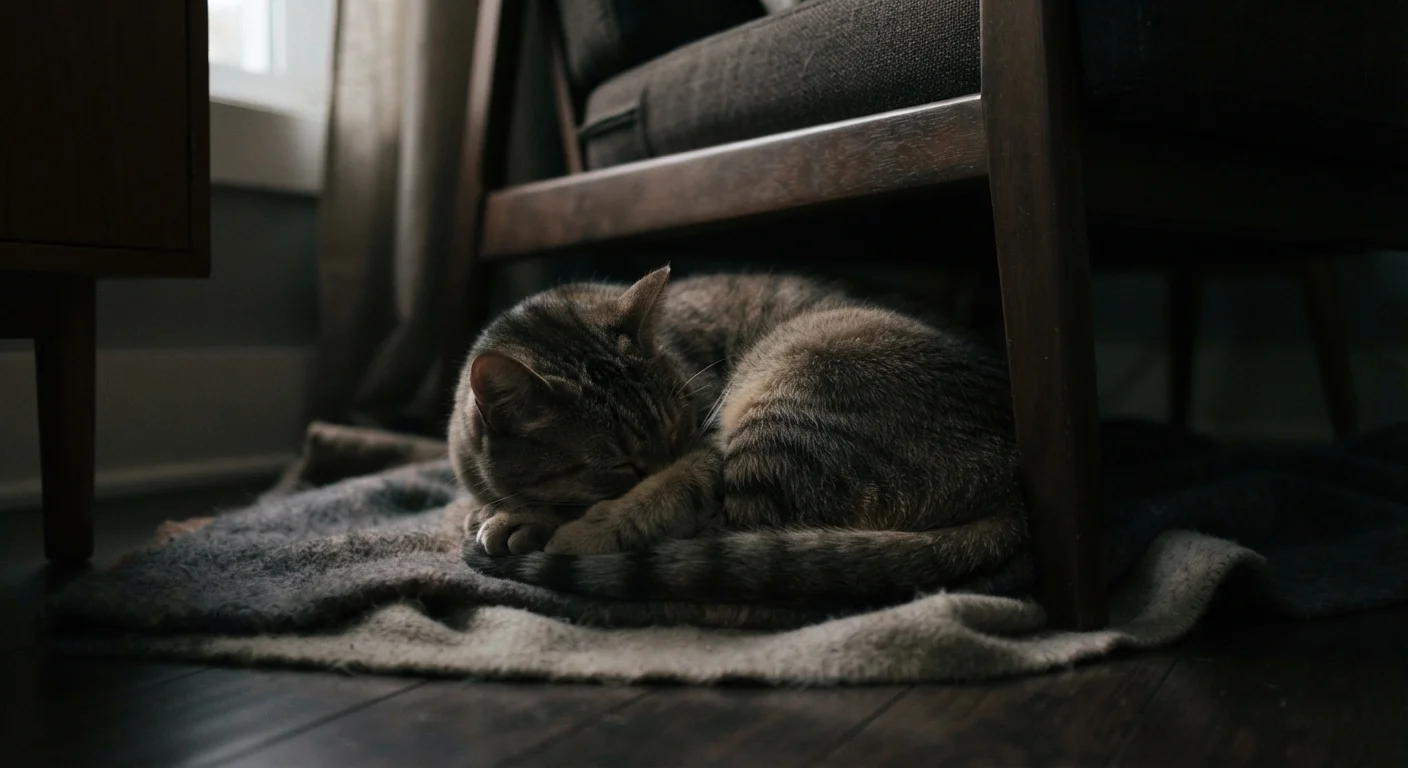
Pain masking refers to a cat's instinctive tendency to hide or suppress outward signs of discomfort or injury. Unlike dogs or humans, cats rarely cry out or limp dramatically when hurting — instead, they withdraw, change their habits, or become unusually still. This behavior is rooted in survival instinct: in the wild, showing weakness can attract predators.
Veterinary professionals use structured tools such as the Feline Grimace Scale (FGS) to assess pain in cats based on facial action units, since behavioral signs alone can be subtle and easily misread by owners.
Why Cats Hide Pain So Effectively
Cats are hardwired to conceal vulnerability. As both predator and prey in the natural world, a cat that appears weak risks becoming a target. This survival instinct runs deep — even in pampered indoor cats — meaning they will actively suppress visible signs of discomfort rather than seek help the way a dog or human might.
The result is that pain often goes undetected for longer than it should. By the time a cat displays obvious distress, the condition causing it may already be well advanced. This is why understanding subtle changes matters far more than waiting for dramatic symptoms.
Cats Are Not Small Dogs
Cats and dogs express pain very differently. Dogs may whimper, seek comfort, or show visible limping; cats tend to go quiet, still, and hidden. Applying dog-owner instincts to a cat can lead to missed warning signs. Understanding feline-specific behavior is essential for accurate assessment.
Our guide to reading your cat's body language can help you build the observational baseline you need to spot when something is off.
Behavioral Signs That May Indicate Pain
Behavioral shifts are usually the earliest and most reliable signals that something is wrong. Here are the key changes to watch for:
- Withdrawal and hiding: A cat that suddenly retreats to unusual spots — under beds, inside closets, behind furniture — may be seeking isolation due to discomfort.
- Changes in appetite or thirst: Eating significantly less, or more, than usual can signal pain, particularly oral or gastrointestinal discomfort.
- Reduced grooming or over-grooming: Painful cats often neglect their coat, leading to matting or dullness. Conversely, they may excessively lick a specific area that hurts.
- Altered litter box habits: Avoiding the litter box, straining, or eliminating outside it can indicate urinary pain, arthritis, or digestive discomfort.
- Irritability or aggression: A typically gentle cat that suddenly hisses, swats, or avoids being touched — especially in a specific body area — may be guarding a painful spot.
- Reduced activity or play: Sleeping more, reluctance to jump, or losing interest in activities they previously enjoyed may reflect musculoskeletal pain or general malaise.
Physical Signs to Look For
Alongside behavior, physical appearance can offer important clues. The Feline Grimace Scale — a tool developed by veterinary researchers — identifies specific facial indicators of pain that trained observers and attentive owners can learn to recognize:
~20%
Cats estimated to have arthritis by middle age
Research published in veterinary literature suggests a significant proportion of cats develop degenerative joint disease, often going undiagnosed due to pain masking.
90%
Older cats showing x-ray evidence of arthritis
Studies in veterinary journals have found that the vast majority of cats over age 12 show radiographic signs of arthritis, even though most owners report no obvious lameness.
- Squinting or partially closed eyes: A relaxed, pain-free cat has soft, open eyes. Squinting or a tense brow suggests discomfort.
- Flattened or rotated ears: Ears pulled back or angled to the sides, rather than forward and upright, can indicate stress or pain.
- Whisker position: Whiskers fanned forward and downward — rather than fanned out to the sides — are associated with pain in research on feline facial expressions.
- Hunched posture: A cat sitting with a rounded back, head lowered, and limbs tucked tightly beneath the body is often trying to minimize pain.
- Changes in coat quality: A dull, unkempt coat or localized hair loss can result from reduced self-grooming or excessive licking of a sore area.
For a deeper look at what your cat's posture and expressions are communicating, see our article on what your cat's body language is actually telling you.
Build a Behavioral Baseline for Your Cat
One of the best things you can do as a cat owner is become familiar with your cat's 'normal' — their typical appetite, activity level, grooming habits, and social behavior. Keeping brief mental or written notes makes it much easier to identify deviations early, which is often the key to catching pain before it becomes severe.
When to Contact Your Veterinarian
Because cats mask pain so well, the threshold for seeking veterinary advice should be lower than many owners realize. If you observe any combination of the signs above — particularly if they persist beyond 24 to 48 hours or represent a noticeable departure from your cat's normal behavior — it's worth a call to your vet.
You should seek prompt veterinary attention if your cat:
- Stops eating or drinking entirely for more than 24 hours
- Is vocalizing unusually (yowling, growling, or crying)
- Shows labored or rapid breathing
- Cannot use or bear weight on a limb
- Has a visibly swollen abdomen
Never administer human pain relievers to a cat without veterinary guidance — many are toxic to cats. Your vet can assess your cat properly and recommend safe, appropriate options. If you're also a dog owner, it's worth noting that dogs mask pain differently; our article on signs your dog may be in pain explores those distinctions.
“Cats are masters at hiding pain. By the time a cat is obviously uncomfortable, they've often been suffering for some time. Owners should trust their instincts — if something seems off, it usually is.”
— International Society of Feline Medicine, Global body for veterinary professionals specializing in feline medicine
This article is for general informational purposes only and does not constitute veterinary medical advice. Always consult a licensed veterinarian for concerns about your cat's health.