

Key Takeaways
- Preventive care is not just vaccines — it encompasses exams, dental health, parasite control, and nutrition.
- Annual or semi-annual wellness visits allow vets to detect problems before symptoms become serious.
- Senior dogs typically need more frequent preventive check-ins than younger, healthy adults.
- Parasite prevention (heartworm, fleas, ticks) is a year-round commitment in most US regions.
- Discussing your dog's weight and diet at every visit is a standard part of preventive care.
Preventive Care (Veterinary)
Preventive care refers to the full range of health services a veterinarian provides to keep a dog healthy before problems arise, rather than only treating illness after it develops. It includes physical exams, vaccinations, parasite control, dental assessments, nutritional guidance, and age-appropriate screening tests. The goal is to catch early warning signs and reduce the risk of disease through consistent, proactive management.
Veterinarians sometimes use the term 'wellness care' interchangeably with preventive care, though wellness visits may vary in scope depending on the practice and the patient's life stage.
More Than Shots: The Full Scope of Preventive Care
When dog owners hear 'preventive care,' most picture a quick annual visit for vaccines. That picture is incomplete. Preventive care is a structured, ongoing approach to health — a framework that includes physical examination, vaccination, parasite management, dental assessment, nutrition counseling, and age-appropriate diagnostics.
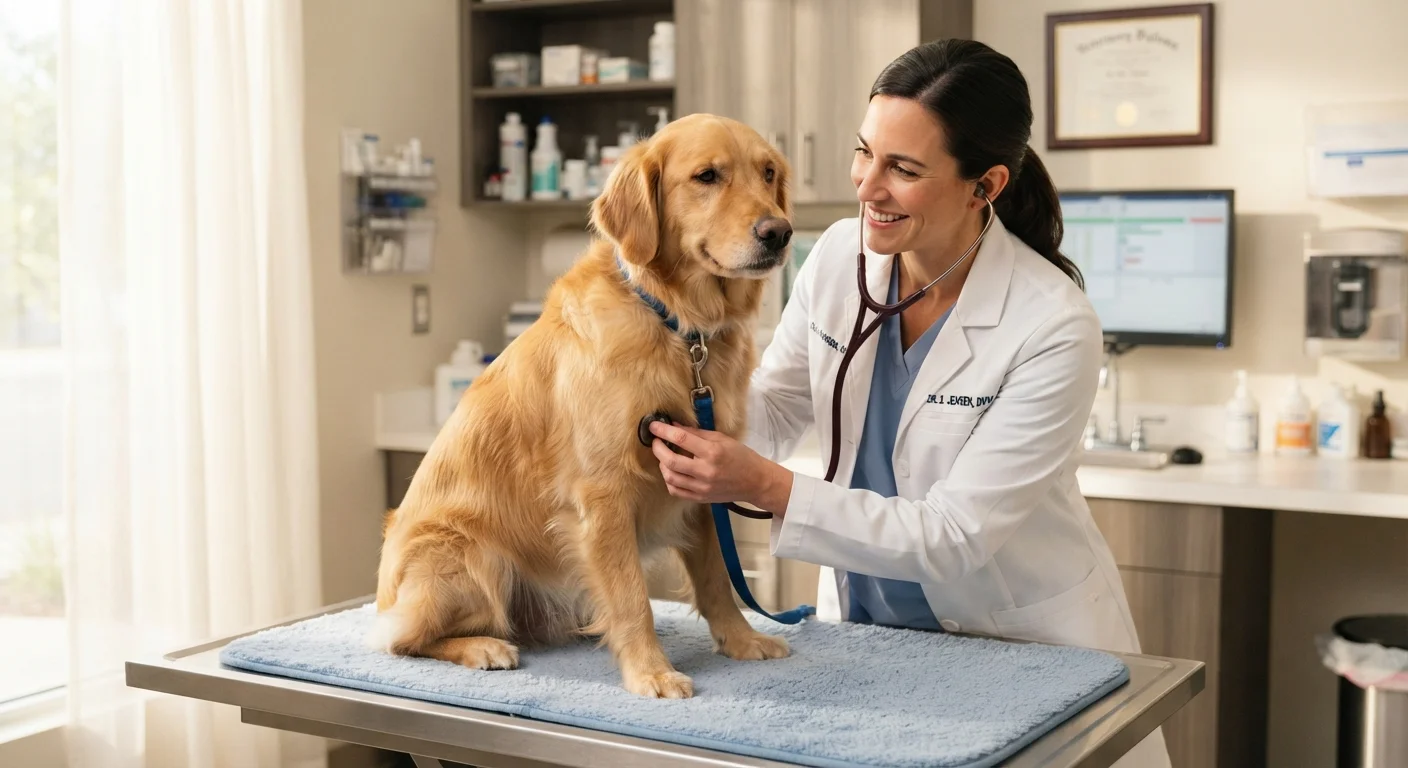
At every wellness visit, a veterinarian performs a nose-to-tail physical exam. They assess your dog's heart, lungs, lymph nodes, eyes, ears, skin, and joints — often identifying early changes that owners have not noticed at home. This exam alone is one of the most valuable tools in preventive medicine.
Bring a List of Questions to Every Visit
Wellness appointments move quickly, and it's easy to forget what you wanted to ask. Before each visit, jot down any behavioral changes, new symptoms, or diet questions. Your vet will cover the clinical exam, but your observations from daily life are an irreplaceable part of the picture.
Vaccination schedules are tailored to each dog's lifestyle and risk factors. A dog that frequents dog parks or boarding facilities may need different non-core vaccines than a dog with limited social contact. Your vet's recommendations are not arbitrary — they reflect your dog's specific exposure risks.
Parasite Prevention: A Year-Round Priority
Parasite control is a cornerstone of preventive care that many owners underestimate. Heartworm disease, transmitted by mosquitoes, is present in all 50 states. Fleas and ticks carry diseases including Lyme disease and Rocky Mountain spotted fever. Internal parasites such as roundworms and hookworms can affect both dogs and, in some cases, humans.
All 50
US states with heartworm disease risk
The American Heartworm Society reports heartworm disease has been diagnosed in dogs in all 50 states, making year-round prevention relevant regardless of region.
~80%
Dogs showing dental disease signs by age 3
According to the American Veterinary Dental College, most dogs show evidence of periodontal disease by their third year of life.
56%
US dogs classified as overweight or obese
The Association for Pet Obesity Prevention's clinical surveys have consistently found the majority of US dogs to be above their ideal body weight.
Veterinarians typically recommend monthly or quarterly preventive medications based on the parasite risk in your region. Annual heartworm testing is also standard, even in dogs on continuous prevention, because no preventive is 100% effective and early detection changes outcomes significantly.
Dental Health, Weight, and the Stuff Vets Always Ask About
Dental disease is one of the most common conditions seen in dogs — and one of the most preventable. By age three, most dogs show some sign of periodontal disease. Preventive care includes an oral exam at every visit and a discussion of home dental hygiene practices. Left unmanaged, dental disease can contribute to pain and systemic health issues affecting the kidneys, liver, and heart.
Weight is another consistent focus. Obesity in dogs is linked to joint disease, diabetes, breathing difficulties, and shortened lifespan. Your vet will assess body condition at each visit and discuss your dog's diet and feeding routine. For evidence-based perspective on common feeding misconceptions, see our guide to dog feeding myths.
Preventive Care Costs Vary by Practice and Region
The price of wellness visits, vaccines, and labwork differs considerably depending on your location and veterinary practice type. Some practices offer wellness plans that bundle preventive services at a set annual fee. Ask your vet's office what a standard preventive visit includes so you can plan accordingly.
How Preventive Care Changes as Your Dog Ages
A puppy's preventive needs differ substantially from those of a seven-year-old dog. Puppies require a series of vaccines and deworming treatments spread over their first months of life. Adult dogs enter a more stable routine. As dogs reach senior status — generally around age seven, though this varies by breed size — vets often recommend twice-yearly visits and begin incorporating routine bloodwork and urinalysis to screen for age-related conditions such as kidney disease, hypothyroidism, and arthritis.
Catching subtle changes early gives owners and vets more options. Learn what behavioral and physical shifts might signal a visit is needed sooner than scheduled in our article on signs your dog may need a vet sooner than you think.
“The purpose of a wellness exam isn't to confirm that everything is fine — it's to find the things that are starting to go wrong before they become expensive or irreversible problems.”
— Dr. Karen Becker, Integrative and proactive care veterinarian and author
If you also share your home with a cat, the approach to preventive care is similar in structure but differs in key specifics. Our cat wellness visit guide walks through what to expect at a feline annual exam.
This article provides general health information for educational purposes and is not a substitute for professional veterinary advice. Always consult a licensed veterinarian for guidance specific to your dog's health needs.