

Key Takeaways
- Annual vet visits catch health changes early, even in cats that appear healthy at home.
- Bringing a written list of observations and questions makes the appointment more productive.
- Vaccinations, parasite prevention, dental health, and weight are all assessed at a wellness exam.
- Senior cats (age 7 and older) typically benefit from twice-yearly checkups.
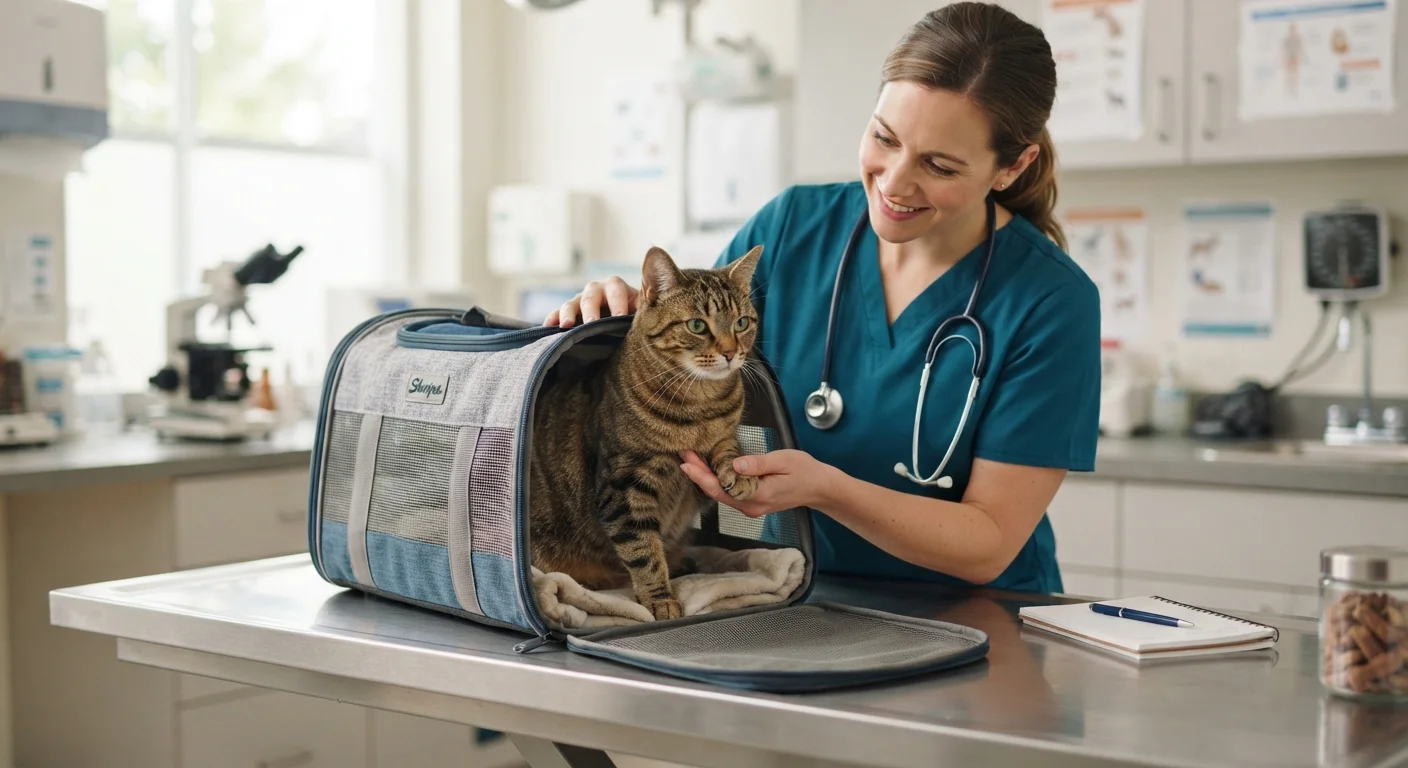
- Carrier training before the visit reduces stress for both cat and owner.
Summary
22 items · 20–35 minutes to work through before your appointment
Why Annual Wellness Exams Matter for Cats
Cats are famously good at masking discomfort. A cat can lose significant body weight, develop early kidney disease, or suffer from dental pain without showing obvious signs at home. That's one reason veterinarians consistently recommend yearly wellness exams — they provide a systematic, hands-on assessment that goes well beyond what even the most attentive owner can observe day to day.
A wellness exam is also an opportunity to update your cat's preventive care plan, discuss any behavioral changes you've noticed, and ask questions you've been saving up. Think of it less as a reactive sick visit and more as a proactive partnership with your vet. If you're new to cat ownership, our guide for first-time cat owners covers the basics of setting up a vet relationship from day one.
Don't Skip the Exam if Your Cat Seems Fine
Many significant feline health conditions — including early-stage kidney disease, hyperthyroidism, and dental disease — develop gradually and produce few obvious symptoms until they're well advanced. A hands-on physical exam and, when appropriate, routine bloodwork are the most reliable ways to detect these conditions before they become serious. A cat appearing healthy at home is not the same as a cat confirmed healthy by a vet.
What to Gather Before the Appointment
Arriving prepared makes a meaningful difference in how much your vet can accomplish in the time available. Use the checklist below to get organized in the days before your visit.
Before the Visit: At Home
What to Bring
During the Exam: What to Watch
After the Visit
If your cat is seven years or older, ask your vet whether a twice-yearly schedule makes sense. Senior cats experience age-related changes more rapidly, and more frequent checkups allow for earlier detection. Our article on keeping an older cat comfortable as they age has additional guidance on what to watch for at home between visits.
Hard-sided or soft-sided carrier
Safely transports your cat to the clinic; a familiar, well-padded carrier reduces stress during travel.
Stool sample container
Required if your vet performs a fecal parasite test; a small, sealable container works well.
Vaccination and health records
Gives your vet a complete picture of past vaccines and treatments, especially important for new patients.
Notebook or notes app
Lets you record the vet's findings, recommendations, and answers to your questions during the appointment.
What Happens During the Exam
A standard feline wellness exam typically includes several distinct components. Knowing what to expect helps you follow along and catch anything worth discussing afterward.
- Physical assessment: Your vet will examine your cat from nose to tail — checking eyes, ears, teeth, skin, coat, lymph nodes, abdomen, heart, and lungs.
- Weight and body condition scoring: Weight changes can be an early indicator of thyroid issues, diabetes, or kidney disease. Vets use a standardized body condition score to assess whether your cat is at a healthy weight.
- Vaccinations: Which vaccines are due depends on your cat's age, lifestyle (indoor vs. outdoor), and previous vaccination history. Core vaccines for cats typically include rabies and feline distemper (FVRCP).
- Parasite screening: Even indoor cats can be exposed to parasites. Your vet may recommend a fecal test for intestinal parasites and discuss flea, tick, and heartworm prevention appropriate for your region.
- Dental evaluation: Dental disease is extremely common in cats and often underdiagnosed. Your vet will check for tartar buildup, gum inflammation, and tooth resorption.
- Bloodwork or urinalysis: These may be recommended based on your cat's age or any symptoms you've described. They're often how early kidney disease, hyperthyroidism, or diabetes is first detected.
Watch for Post-Vaccination Reactions
Most cats tolerate vaccines without issue, but mild reactions — such as temporary lethargy, reduced appetite, or slight swelling at the injection site — can occur in the 24 to 48 hours afterward. Serious reactions are rare but can include facial swelling, vomiting, or difficulty breathing. Contact your vet promptly if you notice anything beyond mild, short-lived tiredness.
To understand how preventive care fits into your cat's broader health picture, the article on what veterinarians actually mean by preventive care — written with dogs in mind but broadly applicable — explains how these exams function as a long-term health strategy.
Questions Worth Asking Your Vet
Many owners leave a vet visit wishing they'd asked more. Jotting down questions beforehand ensures nothing slips through the cracks. Here are some worth considering:
- Is my cat's weight in a healthy range, and should I adjust their diet?
- Are there any early signs of dental disease I should be monitoring?
- What parasite prevention is appropriate for my cat's lifestyle and region?
- Should we run any baseline bloodwork given my cat's age?
- Are there any behavioral changes I've noticed that might have a medical cause?
- When is the next recommended visit, and what should I watch for in the meantime?
If you've noticed anything that concerns you between annual visits, don't wait — our article on signs your cat may be unwell and when to call the vet can help you decide when a same-week appointment is warranted.
This article is for general informational and educational purposes only and does not constitute veterinary advice. Always consult a licensed veterinarian for guidance specific to your cat's health and medical needs.