

Key Takeaways
- Cats are generally considered senior around age 11, and their physical and behavioral needs shift noticeably from that point.
- More frequent vet visits — ideally every six months — help catch age-related conditions early when they're most manageable.
- Simple home modifications like ramps, low-sided litter boxes, and heated beds can meaningfully ease mobility and discomfort.
- Senior cats often need adjusted nutrition with different protein and calorie balances — always discuss dietary changes with your vet.
- Mental stimulation remains important in old age; gentle enrichment helps maintain cognitive function and emotional wellbeing.
Understanding What Changes as Your Cat Gets Older
Most veterinarians classify cats as senior from around age 11, though some frameworks use age 7 as the start of the mature stage. Regardless of the exact threshold, the changes that come with aging are real and progressive. Muscle mass tends to decrease, joints may become stiffer, the senses dull slightly, and the kidneys and other organs work less efficiently than they once did.
Behavioral shifts are equally common. A cat who was once active and curious may sleep more, seek warmth persistently, or become less tolerant of household noise and disruption. These aren't signs of a problem in themselves — they're a normal part of aging — but they do signal that your cat's environment and care routine should evolve alongside them.
For cat owners wondering how indoor versus outdoor living affects older cats specifically, our overview of the trade-offs of indoor and outdoor cat life is a useful starting point.
When Is a Cat Considered 'Senior'?
Different veterinary organizations use slightly different age thresholds. Many use 11 as the start of the senior stage, while others mark 7 as the beginning of the mature or middle-aged phase. What matters most is recognizing that health monitoring and home adjustments should increase as your cat ages — regardless of where exactly the label falls. Your vet can advise based on your cat's individual health picture.
Practical Home Adjustments That Make a Real Difference
One of the most impactful things you can do for a senior cat costs very little: lower the barriers they face every day. Older cats with arthritis or general stiffness often struggle to climb into tall litter boxes or jump onto favorite perches. Switching to a litter box with a low cut-out entry, and placing ramps or steps near furniture they love, removes daily friction that could otherwise cause pain or avoidance behavior.
Replace standard litter boxes with low-entry alternatives for cats with mobility issues.
Arthritis is common in older cats and can make stepping over a tall litter box edge painful enough that cats begin to avoid the box altogether. A low-sided or cut-out entry box reduces this barrier and maintains good litter habits.
Add ramps or steps to help your cat reach their favorite elevated spots.
Senior cats often still want access to the places they've always loved — window sills, sofas, the foot of the bed — but jumping becomes harder and riskier with age. Providing a gradual ramp or set of steps protects their joints and keeps them engaged with their environment.
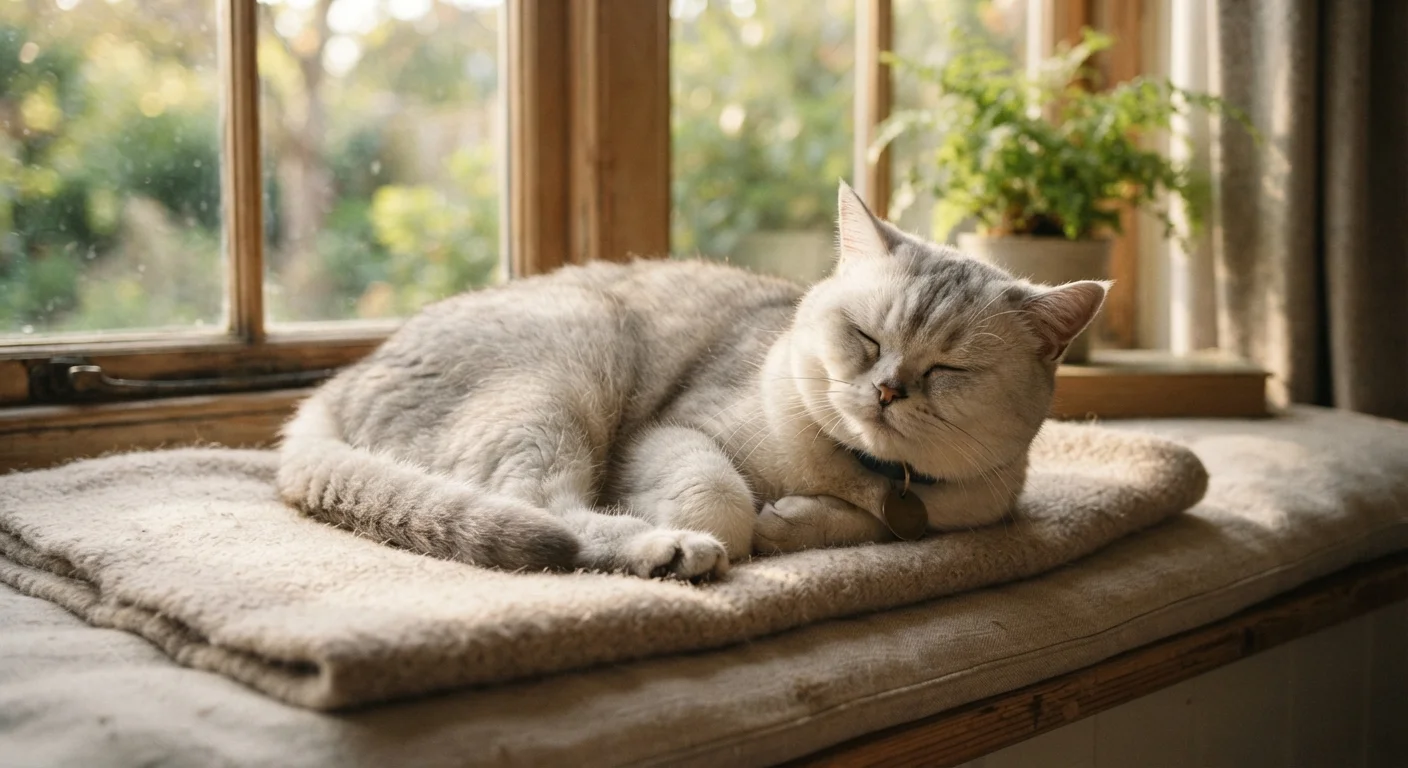
Provide a dedicated warm resting area away from drafts and floor-level cold.
Older cats lose body heat more easily due to reduced muscle mass and slower circulation. A consistently warm sleeping space supports better rest and reduces joint stiffness, particularly overnight.
Maintain gentle daily interaction and low-intensity play to support cognitive health.
Cognitive Dysfunction Syndrome — a condition similar to dementia in humans — can affect older cats. Regular gentle stimulation through play, exploration, and human interaction appears to help maintain cognitive function and reduce anxiety.
Warmth also matters more as cats age. Muscle loss and reduced circulation mean senior cats feel the cold more acutely. A self-warming mat or a fleece-lined bed placed away from drafts can improve sleep quality and overall comfort noticeably.
If your older cat spends time indoors, our guide to making indoor spaces genuinely enriching includes ideas that scale well for less mobile cats.
Nutrition and Hydration for Aging Cats
Senior cats have different nutritional requirements than younger adults. Many older cats benefit from diets that support kidney function, maintain lean muscle, and are easier to digest — but the right approach varies considerably depending on the individual cat's health status. Some seniors need fewer calories because they're less active; others with muscle-wasting conditions may actually need more protein. Your veterinarian is the right person to guide this decision based on bloodwork and body condition scoring.
Hydration is often underestimated. Cats are naturally low-thirst animals, and aging cats face higher risks of kidney disease and urinary issues, making adequate water intake especially important. Many cats drink more from a fountain-style water source. Wet food — if your vet approves it — adds meaningful moisture to the diet.
Try Wet Food to Boost Daily Hydration
If your vet approves it for your cat's health profile, incorporating wet food into meals is a practical way to increase daily fluid intake without relying entirely on water bowl habits. Cats with early kidney changes or a history of urinary issues may benefit particularly from the added moisture. Always introduce dietary changes gradually and under veterinary guidance.
Veterinary Care: Why Frequency Matters More Now
The general recommendation for senior cats is a veterinary visit every six months rather than once a year. The reasoning is straightforward: age-related conditions like chronic kidney disease, hyperthyroidism, dental disease, and hypertension can progress quickly. Catching these conditions in early stages gives your vet far more treatment options and typically leads to better outcomes.
~30%
Senior cats affected by chronic kidney disease
Veterinary estimates suggest roughly 30% of cats over age 15 develop chronic kidney disease, making early screening especially valuable.
Over 80%
Cats over 3 with some degree of dental disease
According to veterinary dental health data, the vast majority of adult cats have some form of dental disease — a condition that worsens without regular professional assessment.
Between appointments, knowing what to watch for at home is equally valuable. Cats are instinctively good at masking discomfort, which makes subtle changes easy to miss. Our article on signs your cat may be unwell covers the behavioral and physical cues worth acting on promptly.
For a full picture of what a senior wellness exam typically involves, see our guide to what to expect at your cat's vet visit.
This article is for general informational purposes only and is not a substitute for veterinary advice. Always consult a qualified veterinarian regarding your individual cat's health and care needs.