

Key Takeaways
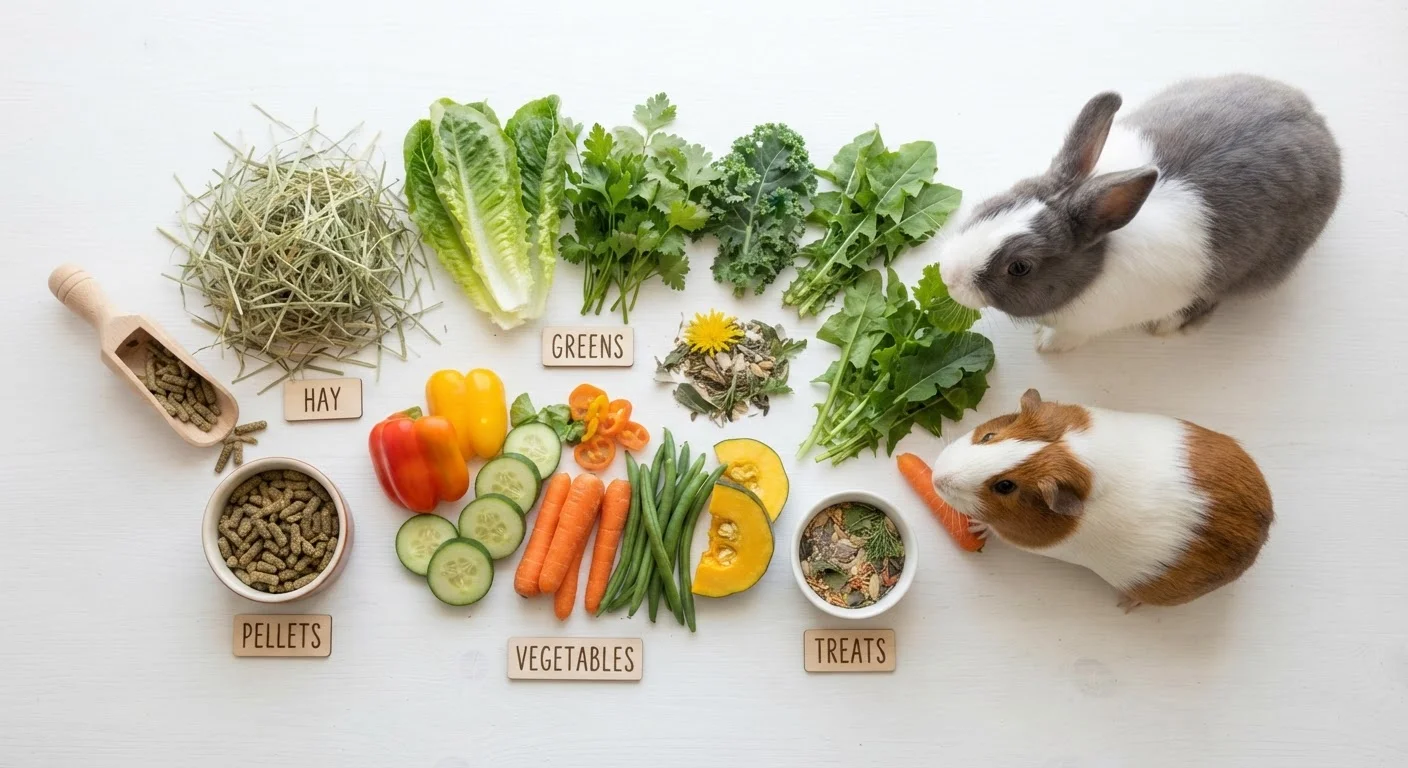
- Hay — not pellets or vegetables — should form the bulk of a rabbit's or guinea pig's daily diet.
- Many human foods considered harmless, like bread and lettuce, can cause serious harm to small pets.
- Hamsters and gerbils have very different nutritional needs and should not share the same diet.
- Fish require species-appropriate food; bread, crackers, and human snacks can be toxic to them.
- A diet that looks varied to humans may still be nutritionally incomplete for small animals.
Why Feeding Myths Are So Common — and So Risky
Small pets like rabbits, guinea pigs, hamsters, and fish often get less nutritional scrutiny than dogs or cats. Many owners rely on folklore passed down from childhood, well-meaning advice from pet store staff, or quick internet searches — and that's where problems begin. Incorrect feeding habits may seem harmless for weeks or months before visible symptoms appear, which makes it easy to assume everything is fine when it isn't.
Because small animals often mask illness, diet-related health problems can quietly worsen before an owner notices anything wrong. If you've recently welcomed a small pet into your home, our guide to common early mistakes new small-pet owners make is worth reading alongside this article.
Myth
Rabbits can eat lettuce every day as their main vegetable.
Fact
Many common lettuces — especially iceberg — contain high water content and compounds that can cause digestive upset and diarrhea in rabbits.
Iceberg lettuce in particular contains lactucarium, a milky fluid that can have sedative effects and cause loose stools in rabbits. While dark leafy greens like romaine and kale are safer in small amounts, no vegetable should replace unlimited grass hay, which must make up at least 80% of a rabbit's diet. Hay supports healthy digestion and prevents dangerous conditions like GI stasis, a slowdown of gut movement that can become life-threatening quickly.
Myth
Guinea pigs can get all the vitamin C they need from pellets alone.
Fact
Vitamin C degrades rapidly in pelleted food, so guinea pigs need fresh sources of the vitamin daily to avoid deficiency.
Unlike most animals, guinea pigs — like humans — cannot synthesize their own vitamin C. A deficiency causes scurvy, which presents as lethargy, rough coat, swollen joints, and eventually can be fatal. Pellets do contain vitamin C when manufactured, but it breaks down quickly after milling, especially when bags are stored for weeks. Fresh bell pepper, leafy greens, and small amounts of parsley are reliable daily sources. Don't rely on pellets alone for this critical nutrient.
Myth
Hamsters and gerbils can eat the same seed mix.
Fact
Hamsters and gerbils have meaningfully different dietary needs and energy requirements — using one species' mix for the other can lead to nutritional imbalances.
Hamsters are omnivores that benefit from some animal protein (such as occasional mealworms), while gerbils need a lower-fat diet suited to their desert origins. Hamster mixes are often higher in fat and calories than gerbils require, which can lead to obesity in gerbils over time. Both species also have specific mineral needs that a species-appropriate formulated food addresses. When possible, choose a food blend formulated specifically for the species you own.
Myth
You can feed fish bread crumbs or crackers as a treat.
Fact
Bread and crackers contain ingredients — including gluten, salt, and preservatives — that fish digestive systems are not equipped to process, and these can cause bloating, constipation, and toxicity.
Fish are highly sensitive to the types of carbohydrates and additives found in human baked goods. Bread expands when wet, potentially causing dangerous internal bloating. Saltine crackers introduce sodium at levels that disrupt the delicate osmotic balance fish maintain between their bodies and surrounding water. Even small amounts offered repeatedly can degrade water quality and harm fish health over time. Feed only commercially prepared flake, pellet, or frozen foods formulated for your specific fish species.
Myth
Sunflower seeds are a healthy everyday food for hamsters.
Fact
Sunflower seeds are very high in fat and should only be offered occasionally — daily feeding can lead to obesity and fatty liver disease.
Hamsters will eagerly select sunflower seeds above almost any other food, which makes owners think they must be good for them. In reality, these seeds are calorie-dense treats rather than a nutritional staple. Fatty liver disease is documented in hamsters fed diets excessively high in fat, and obesity worsens their already short lifespan. A quality hamster-formulated pellet or lab block as the foundation — with seeds offered sparingly — is a much safer approach.
Stats That Put the Problem in Perspective
Nutritional disease in small mammals is consistently cited by exotic animal veterinarians as one of the most preventable causes of early death in pet rabbits, guinea pigs, and hamsters. Despite this, feeding misconceptions remain widespread — partly because small-pet care receives far less public health messaging than dog or cat care. The good news: diet corrections are often straightforward once owners know what to look for.
80%+
Hay as share of a rabbit's daily diet
Exotic animal veterinary organizations consistently recommend grass hay as the overwhelming majority of a rabbit's nutritional intake, yet many owners underestimate its importance.
~10 mg
Daily vitamin C needed by guinea pigs
Guinea pigs require approximately 10–30 mg of vitamin C per day depending on their size and life stage, a need that pellets alone often fail to reliably meet due to nutrient degradation.
1 in 3
Small pets seen for diet-related illness
Exotic animal practices report that a significant proportion of small mammal consultations involve conditions directly linked to incorrect feeding, according to general clinical observations in the field.
If you're curious how these patterns compare to myths affecting other pets, our article on common dog nutrition myths vets regularly correct explores similar misinformation in canine feeding.
Never Assume 'Natural' Means Safe
Many owners offer small pets foods they consider natural or wholesome — including fruit, seeds, and raw vegetables — without checking whether they're appropriate for that species. Some naturally occurring foods are toxic to specific small animals: for example, onions and garlic are harmful to most small mammals, and avocado is dangerous to many species including birds and guinea pigs. Always verify a food is safe for your specific pet before offering it, even if it seems healthy by human standards.
What to Do When You're Not Sure
When in doubt about what to feed your small pet, the safest step is to consult an exotic animal veterinarian — a vet with specific training in non-dog, non-cat species. General-practice vets may have limited small-mammal or fish expertise, so it's worth seeking out a specialist when dietary questions arise.
A good baseline principle: if a food item wasn't specifically designed for your pet's species, research it thoroughly before offering it. Because small pets hide illness so well, it's also wise to familiarize yourself with early warning signs. Our article on why small pets get sick quietly and what to watch for can help you recognize when something may be wrong.
Dietary Changes Should Be Gradual
If you discover your small pet has been eating incorrectly and need to correct their diet, do not switch foods abruptly. Sudden dietary changes — especially in rabbits and guinea pigs — can cause serious gastrointestinal upset or a dangerous disruption of gut flora. Transition slowly over one to two weeks, mixing the new food with the old in increasing proportions, and monitor your pet's droppings and behavior closely throughout. Consult an exotic animal vet if you have concerns during the transition.
This article provides general educational information about small-pet nutrition and is not a substitute for professional veterinary advice. Always consult a qualified veterinarian for guidance specific to your pet's health and dietary needs.