

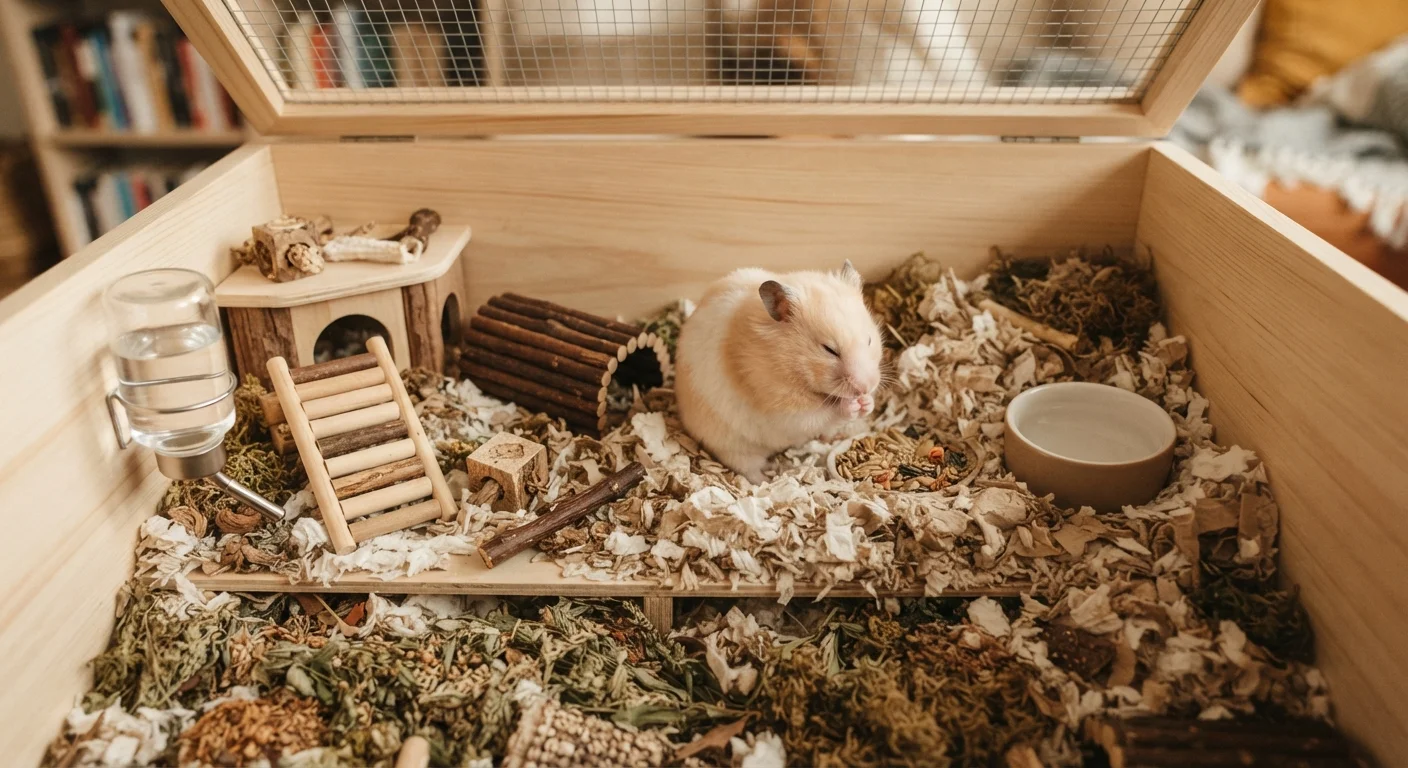
Key Takeaways
- Small pets need a settling-in period — overhandling in the first days causes significant stress.
- Many common feeder foods are nutritionally wrong or outright toxic for small animals.
- Enclosures sold in pet stores are often too small for a pet's actual behavioral needs.
- Skipping a vet visit because a pet 'seems fine' can delay detection of hidden health issues.
- Each small-pet species has unique needs; care tips don't transfer between species safely.
Why the First Month Is So Critical
The first few weeks with a new small pet set the tone for the animal's long-term health, behavior, and trust in you as an owner. Unlike dogs or cats, many small pets are prey animals whose stress responses are finely tuned — and they do not show distress in obvious ways. A hamster, rabbit, or guinea pig under chronic stress may continue eating and moving while quietly suffering from poor husbandry conditions.
The good news is that most first-month mistakes are both common and entirely avoidable. If you haven't yet brought your pet home, our small-pet preparation checklist walks you through what to set up in advance. If you're already in the thick of it, this guide covers the missteps most likely to affect your pet right now.
~6M
Small animals kept as pets in US households
According to the American Pet Products Association's National Pet Owners Survey, approximately 6 million small animals are kept as pets in the United States.
48–72 hrs
Recommended acclimation time before first handling
Exotic animal veterinarians and small-mammal behaviorists commonly recommend allowing new small pets this minimum settling period before initiating hands-on contact.
The Most Common Mistakes — and How to Correct Them
Whether you've brought home a hamster, rabbit, guinea pig, gerbil, or another small companion, the following errors show up repeatedly among new owners. Each one is understandable — and each one has a straightforward fix.
Handling the pet too much, too soon after bringing it home.
Why it happens: New owners are excited and want to bond quickly, assuming interaction is always positive. However, small animals — especially prey species like hamsters, gerbils, and rabbits — experience the move to a new home as a major stressor.
Feeding an incorrect or overly simplified diet based on assumptions rather than species-specific guidance.
Why it happens: Packaging on commercial treats, outdated advice online, and the visual appeal of colorful seed mixes can mislead new owners into thinking variety automatically means nutritional balance.
Choosing an enclosure that is too small for the animal's natural behavioral needs.
Why it happens: Cages marketed for specific animals at retail stores are frequently undersized. A hamster cage labeled 'starter' may not provide enough floor space for adequate exercise and burrowing, leading to chronic stress.
Skipping or postponing the initial veterinary checkup.
Why it happens: Many new owners assume a vet visit is only necessary when something is visibly wrong. Small pets are also prey animals, meaning they mask illness effectively — problems can be well advanced before obvious symptoms appear.
Applying care advice meant for one species to a different small pet.
Why it happens: The phrase 'small pet' groups together animals with vastly different biology, social structures, and needs — rabbits, guinea pigs, hamsters, gerbils, rats, and reptiles are not interchangeable.
Underestimating the animal's need for mental stimulation and enrichment.
Why it happens: Small pets are often perceived as low-maintenance creatures that are content simply to exist in their enclosure. In reality, many small mammals are highly active and cognitively engaged animals that need outlets for natural behaviors.
Diet Mistakes Can Be Life-Threatening
Some foods widely assumed to be safe — such as iceberg lettuce for rabbits or sunflower seeds as a staple for hamsters — can cause serious nutritional imbalances or toxicity. Before feeding anything beyond a species-specific pelleted diet, verify it against a reliable, veterinarian-reviewed source. When in doubt, consult an exotic animal or small-mammal veterinarian.
Building Better Habits From Week Two Onward
Once the initial acclimation period has passed and your pet is eating, moving, and behaving consistently, you can begin building routines that support long-term wellbeing. Consistent feeding times, regular but calm handling sessions, and daily enclosure checks become the foundation of good care.
Signs of Stress Are Easy to Miss
Small prey animals instinctively hide illness and distress. Lethargy, hunched posture, changes in droppings, or a sudden drop in food and water intake are all red flags. If you notice any of these in the first month, contact a veterinarian experienced with small or exotic pets promptly rather than waiting to see if things improve.
Keep a simple log of food intake, droppings, and activity level for the first month. This makes it far easier to spot gradual changes that might otherwise go unnoticed. Small pets — unlike dogs or cats — don't signal discomfort loudly, so your powers of observation are one of your most important caregiving tools.
If you're also navigating a multi-pet household, note that small-pet care differs substantially from dog or cat ownership. Our pre-arrival checklist for small pets remains useful as a reference even after your pet has arrived home.
This article is for informational purposes only and does not constitute veterinary advice. Always consult a qualified veterinarian for guidance specific to your pet's health and care needs.