

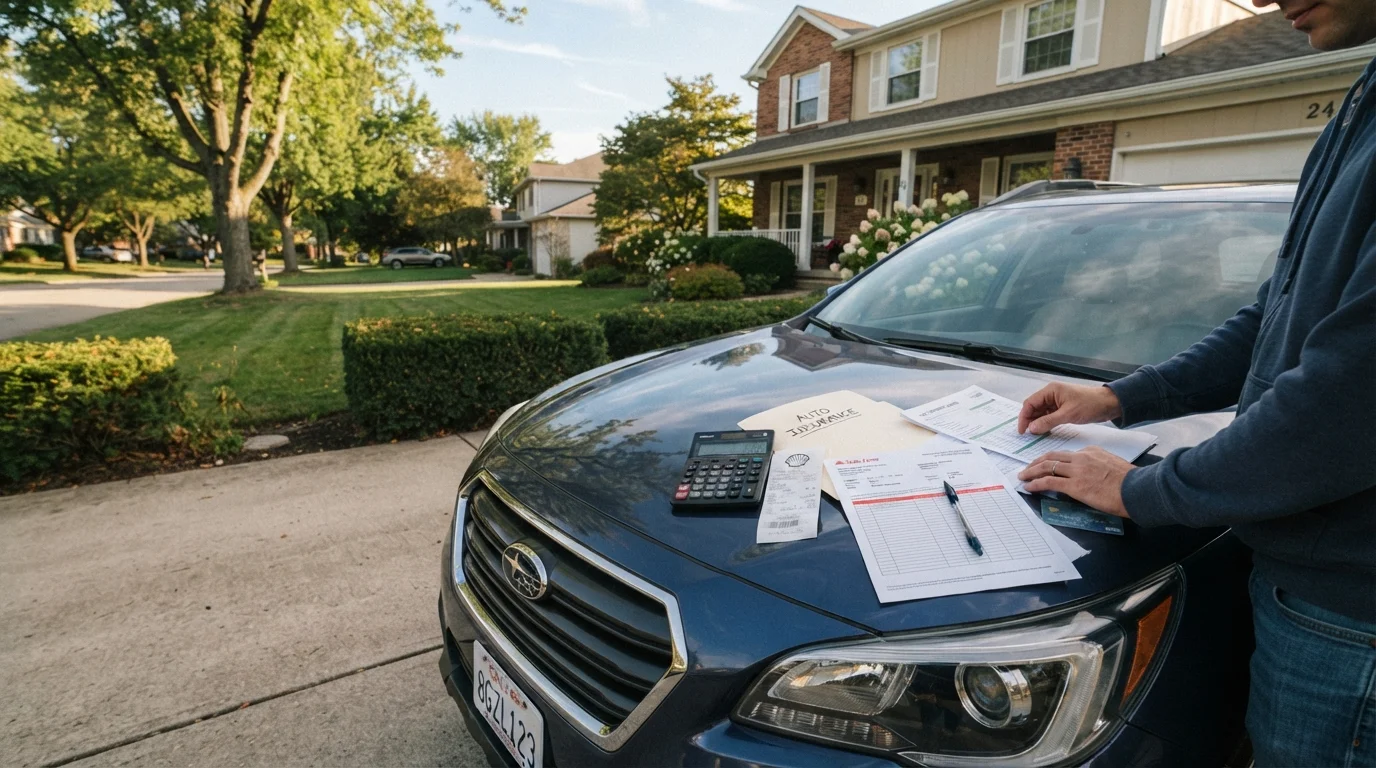
Key Takeaways
- The sticker price typically represents a fraction of what you'll spend over a vehicle's lifetime.
- Depreciation is usually the single largest ownership cost, especially in the first three years.
- Insurance premiums vary widely based on your driving record, location, and vehicle type.
- Fuel and maintenance costs compound significantly over time and miles driven.
- Planning a monthly ownership budget — not just a monthly payment — prevents financial surprises.
True Cost of Car Ownership
The true cost of owning a car is the total amount you spend on a vehicle over time — not just the purchase price, but every recurring expense that follows. This includes fuel, insurance, routine maintenance, registration fees, loan interest, and depreciation. Adding these up gives you a far more accurate picture of what a car actually costs per year or per mile driven.
Analysts often express this as a cents-per-mile figure. The American Automobile Association (AAA) publishes annual driving cost studies that break ownership costs into fixed and variable categories.
Why the Sticker Price Is Just the Starting Point
Walk onto any lot and the price on the windshield feels like the main number. But for most drivers, that figure covers only a portion of what they'll actually spend. Once you factor in financing interest, registration, insurance, fuel, tires, scheduled maintenance, and the steady loss of resale value, the total picture looks very different.
Understanding the full scope of ownership costs isn't about discouraging you from buying — it's about helping you choose and budget wisely. A vehicle that fits your monthly loan payment may still strain your finances once every other cost is stacked on top. The goal is to go in with eyes open.
~$12,000
Average annual car ownership cost in the US
AAA's annual Your Driving Costs study estimates full ownership expenses including depreciation, insurance, fuel, and maintenance for an average new vehicle.
Up to 25%
Value a new car can lose in year one
Industry estimates suggest new vehicles commonly depreciate between 15% and 25% within the first twelve months of ownership.
15,000
Average annual miles driven by US motorists
The Federal Highway Administration cites approximately 15,000 miles per year as the US average, which forms the basis for most fuel and maintenance cost estimates.
Breaking Down the Major Cost Categories
Depreciation is the cost most drivers underestimate. New vehicles lose value the moment they leave the lot, with the sharpest drop occurring in years one through three. Over a five-year ownership period, depreciation often accounts for 40% or more of total ownership costs. See our guide to car depreciation for a closer look at what drives this and how to factor it into your decision.
Financing costs add up quickly when spread over a 60- or 72-month loan. A lower purchase price with a shorter loan term often costs less in total interest than a higher-priced vehicle stretched over six years. Our article on financing options — loans, leasing, and paying cash breaks down the trade-offs in detail.
Insurance is a mandatory ongoing expense in every US state, and premiums vary widely. Your driving record, ZIP code, vehicle model, age, and even credit score can all influence what you pay. It's worth getting insurance quotes on any vehicle you're seriously considering before you sign paperwork.
Fuel is the most visible recurring cost. Over 15,000 miles a year — a common US average — even a few miles-per-gallon difference between vehicles translates to hundreds of dollars annually. A vehicle rated at 25 MPG costs noticeably less to fuel than one rated at 18 MPG at the same pump price.
Get Insurance Quotes Before You Commit
Insurance costs vary significantly by vehicle model and your personal profile. Before finalizing any vehicle purchase, get at least two or three insurance quotes specific to that make, model, and trim. A vehicle with a lower sticker price but higher insurance rates can cost more annually than a pricier alternative with cheaper coverage.
Maintenance and repairs range from predictable — oil changes, brake pads, tire rotations — to unexpected. Newer vehicles under warranty shift some repair costs to the manufacturer, but once coverage expires, these expenses land squarely on you. Visit our car maintenance hub for practical guidance on keeping service costs under control.
Fixed vs. Variable Costs: A Useful Way to Think About It
Ownership costs fall into two buckets. Fixed costs stay roughly constant regardless of how much you drive — insurance premiums, registration fees, loan payments, and depreciation. Variable costs scale with usage — fuel, tire wear, and some maintenance items.
This distinction matters because it changes how you evaluate your options. If you drive very few miles, a fuel-efficient vehicle saves less than the MPG numbers suggest, while your fixed costs remain the same. High-mileage drivers, on the other hand, benefit more from fuel economy and longer tire life.
Depreciation Doesn't Show Up as a Bill
Because depreciation isn't a monthly invoice, it's easy to ignore — but it represents real money lost when you eventually sell or trade in. Drivers who plan to keep a vehicle for 10 or more years are less affected by early depreciation curves than those who trade in every three to four years. Your ownership timeline should factor into which vehicle makes financial sense.
First-time owners often focus almost entirely on the monthly payment without accounting for the full fixed-cost load. Our article on what new car owners often overlook in the first year covers several of these gaps in detail.
Building a Realistic Monthly Ownership Budget
Rather than budgeting just for the loan payment, work out a monthly ownership figure that includes all cost categories. A simple approach: estimate annual insurance cost, divide by 12; do the same for expected fuel spend (miles driven ÷ MPG × average gas price × 12 months, divided by 12); add a monthly maintenance reserve of around $75–$150 depending on vehicle age and mileage; include registration fees prorated monthly; and factor in a depreciation figure based on the vehicle's expected value loss over your planned ownership period.
Adding these together gives you a true monthly cost of ownership — a far more honest figure than the loan payment alone. If that total strains your budget, it's better to know before you buy than after.
This article is for informational purposes only. Vehicle costs vary widely based on individual circumstances; consult qualified financial and automotive professionals before making purchasing decisions.