

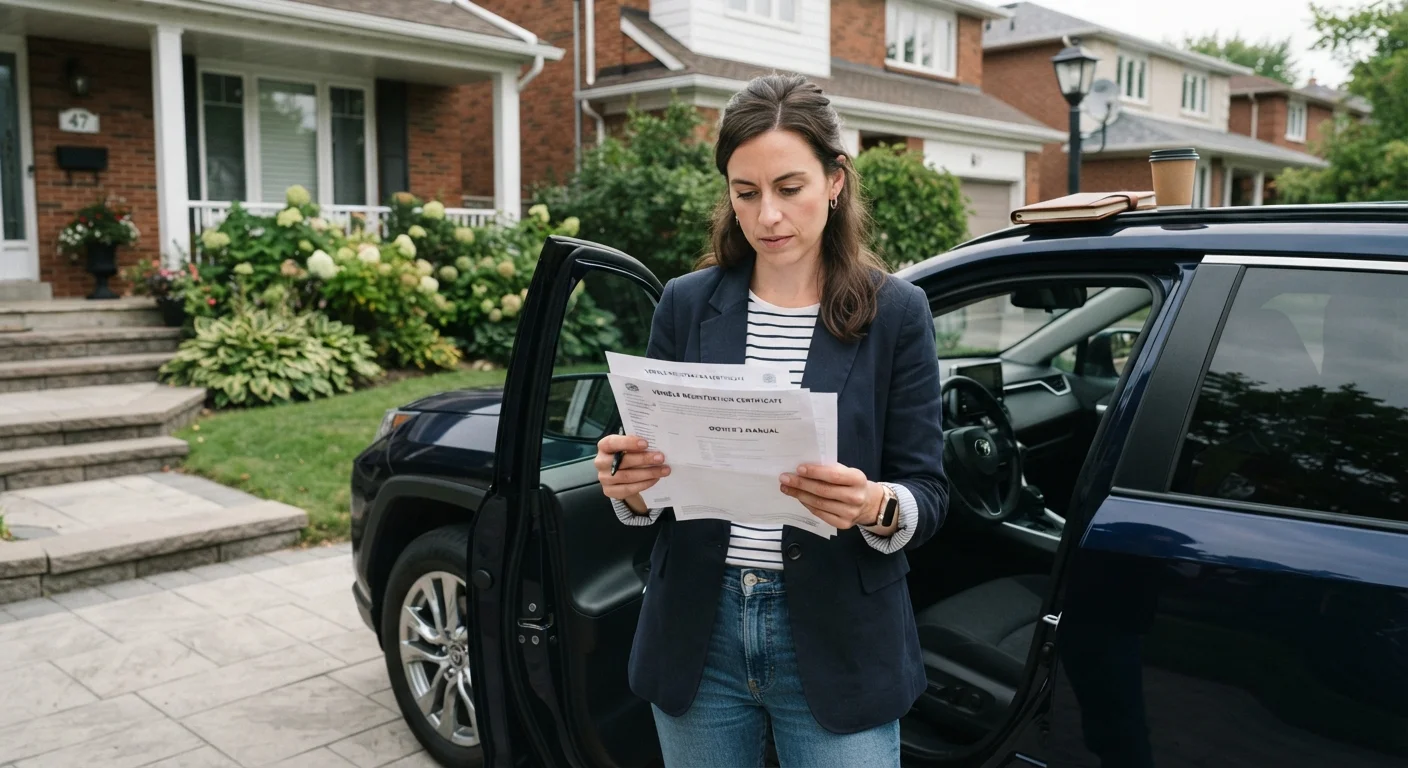
Key Takeaways
- Registration renewal deadlines and emissions requirements catch many first-year owners off guard.
- Tyre pressure and fluid levels need regular checks — not just when a warning light appears.
- Insurance coverage gaps and policy misunderstandings are common and costly mistakes.
- Skipping the first scheduled service can void parts of a new-car warranty.
- Budgeting for ongoing ownership costs is as important as budgeting for the purchase itself.
Why the First Year of Ownership Trips People Up
Buying a car is a well-documented process — test drives, financing, insurance quotes. What's less documented is everything that happens after you drive off the lot. The first twelve months reveal a series of responsibilities that don't come with a clear instruction sheet, and the gaps in knowledge tend to show up at inconvenient and sometimes expensive moments.
This isn't about dramatic breakdowns. It's about the quieter oversights: the tyre that's slowly losing pressure, the registration sticker that expired last month, the service reminder you planned to deal with "soon." Understanding what to watch for early makes the rest of your ownership experience significantly smoother. For a broader look at what car ownership actually costs month to month, see the true cost of owning a car beyond the purchase price.
Missing the first scheduled service or oil change interval.
Why it happens: New owners assume the car is fine because it feels new, or they lose track of mileage-based service intervals.
Neglecting tyre pressure checks until a warning light illuminates.
Why it happens: The TPMS (Tyre Pressure Monitoring System) light feels like a reliable safety net, so owners stop checking manually. But TPMS typically only triggers when pressure is significantly low — not at the first sign of a problem.
Underinsuring the vehicle or misunderstanding what the policy actually covers.
Why it happens: First-time owners often choose minimum state-required liability coverage to save money, not realizing that collision and comprehensive coverage are separate add-ons that protect the vehicle itself.
Ignoring dashboard warning lights or delaying action on them.
Why it happens: Lights can feel alarming and easy to dismiss when the car seems to be driving normally. Some owners assume the light will resolve on its own.
Forgetting to account for the full ongoing cost of ownership in monthly budgeting.
Why it happens: Excitement around the purchase focuses attention on the monthly payment, while fuel, insurance premiums, registration fees, and maintenance costs get mentally filed as "future problems."
Missing registration renewal or emissions inspection deadlines.
Why it happens: Renewal notices arrive by mail and are easy to miss or forget, especially if you've recently moved or have a new address on file.
Building Habits That Protect Your Investment
Most of the mistakes above share a common thread: they stem from reactive rather than proactive habits. A car doesn't require daily attention, but it does reward a consistent monthly routine.
Check Your Insurance Before You Need It
Many first-year owners discover coverage gaps only after an incident occurs. State minimum liability coverage protects other drivers — it does not cover damage to your own vehicle. If you're financing the car, your lender will require comprehensive and collision coverage. Review your policy documents carefully and ask your insurer to explain any terms you don't recognize.
A simple monthly walk-around takes about five minutes: check tyre pressure, look for fluid leaks under the car, inspect wiper condition, and glance at your dashboard for any lingering indicator lights. Pair this with reading your owner's manual — genuinely one of the most underused resources a new owner has — and you'll stay ahead of most common issues.
For a structured introduction to what that routine should look like, what every new driver should know about keeping a car roadworthy covers the fundamentals clearly. And if you're thinking longer-term, keeping a car running well for the long haul outlines the consistent habits that genuinely extend a vehicle's useful life.
~25%
Vehicles on U.S. roads with at least one under-inflated tyre
According to the National Highway Traffic Safety Administration (NHTSA), a significant share of vehicles regularly operate with tyre pressure below the recommended level, affecting safety and fuel efficiency.
1 in 3
New car owners who underestimate annual maintenance costs
Industry surveys consistently find that a large proportion of first-time owners budget only for their monthly payment, not for fuel, servicing, and unexpected repairs.
Tyre maintenance alone is an area where many drivers remain under-informed. Tyre pressure, tread depth, and the checks most drivers overlook goes into the specifics of how often to check and what to look for. Meanwhile, warning lights that drivers commonly ignore breaks down exactly what each dashboard indicator is telling you — before it becomes urgent.
Don't Skip Your First Scheduled Service
The first service interval on a new vehicle is not just a routine oil change — it's also when a technician inspects for any manufacturing issues or early wear. Skipping it, or delaying significantly, can affect your warranty coverage. Check your owner's manual and schedule it in advance, even if the car feels perfectly fine.