

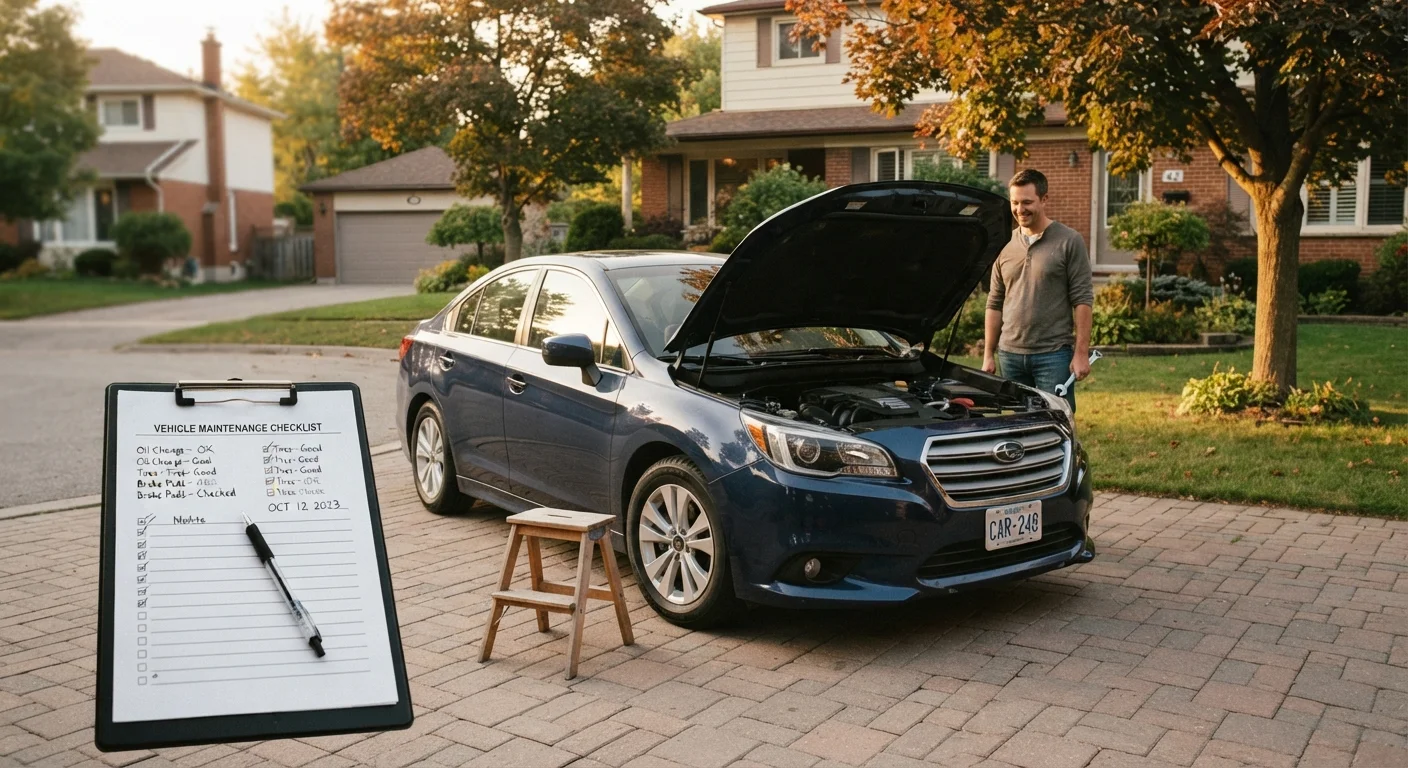
Key Takeaways
- Following your owner's manual service schedule is the single most effective long-term maintenance habit.
- Checking tire pressure and fluid levels regularly prevents the majority of roadside breakdowns.
- A complete service history protects resale value and helps mechanics diagnose problems faster.
- Catching small issues early almost always costs less than repairing the damage they cause if ignored.
Why Consistent Maintenance Beats Reactive Repairs
Most vehicles that rack up 150,000 or 200,000 miles without major drama share one thing: owners who serviced them on schedule rather than waiting for something to go wrong. Reactive maintenance — fixing things after they fail — is almost always more expensive and more disruptive than staying ahead of wear. A snapped timing belt that could have been replaced during a scheduled service can mean an engine rebuild. A coolant leak caught early is a hose clamp and a top-up; ignored, it's a blown head gasket.
The good news is that long-term reliability doesn't require mechanical expertise. It requires consistent habits and a basic understanding of what your car needs and when. To understand what happens when those habits slip, see what deferred maintenance does to an engine.
Use Your Car's Built-In Reminders
Most vehicles made in the last decade have an oil life monitor or service reminder system built into the instrument cluster. These systems track driving conditions — not just miles — to estimate when service is actually needed. Check your manual to learn how to read and reset yours rather than relying solely on mileage estimates.
Core Practices That Extend Vehicle Life
The following practices form the foundation of keeping any vehicle running well for the long haul. They apply to most modern gasoline-powered cars and light trucks driven under typical US conditions.
Follow your owner's manual service intervals, not generalized advice
Manufacturers engineer service schedules based on how the specific engine and drivetrain wear. Generic advice — like changing oil every 3,000 miles — is often outdated for modern vehicles with synthetic oil. Using the correct intervals prevents under-servicing and unnecessary cost. For more on outdated advice, see our article on persistent car maintenance myths.
Check tire pressure monthly and before long trips
Tires lose roughly 1 PSI per month naturally, and temperature changes accelerate this. Under-inflated tires wear unevenly, reduce fuel efficiency, and increase the risk of a blowout. Proper pressure is also one of the simplest ways to improve gas mileage. See more in our guide on keeping fuel costs manageable.
Inspect and top up key fluids between service visits
Engine oil, coolant, brake fluid, and power steering fluid all degrade or get consumed over time. Running low on any of them can cause damage that far exceeds the cost of a simple top-up. A quick under-hood check every few weeks catches problems early.
Rotate tires on schedule and replace them before the tread wears out
Rotation — typically every 5,000–7,500 miles or at each oil change — evens out wear across all four tires, extending their usable life. Worn tires significantly increase stopping distances and reduce wet-weather grip. The legal minimum tread depth in most US states is 2/32 of an inch, but many safety organizations recommend replacing tires at 4/32.
Address minor warning signs before they become major failures
Dashboard warning lights, unfamiliar noises, vibrations, or changes in braking behavior are the car's way of communicating. Ignoring these signals typically allows a contained problem to compound into a costlier one. Prompt diagnosis is almost always cheaper than deferred repair.
Quick Actions You Can Take Right Now
You don't need to overhaul your entire routine at once. Start with a few high-impact actions today and build from there.
For a broader look at what you can handle yourself versus what's safer in a mechanic's hands, see DIY car maintenance: what's safe to do yourself.
Keeping Records and Staying Organized
A written service history does two important jobs. First, it keeps you honest — it's easy to forget when you last changed the cabin air filter or rotated the tires. Second, it's a real asset when you sell the car. Buyers and dealers take documented maintenance seriously; a complete logbook signals the vehicle has been cared for and can support a stronger asking price. Understand more about what affects that value in our guide to how car depreciation works.
Digital Records Work Just as Well
You don't need a paper folder to maintain a useful service history. A simple spreadsheet or a dedicated smartphone notes file works perfectly. Some mechanics will also email you a digital copy of the service invoice — forward these to a dedicated folder so they're easy to find when you need them.
Keep receipts, dealer printouts, and even your own handwritten notes in a dedicated folder in the glove box or scanned to a cloud folder. At minimum, log the date, mileage, and work performed for every service visit.
Conditions also change with the seasons, so don't overlook seasonal maintenance checks as part of your routine. And if you notice anything unusual — a warning light, a new noise, a change in how the car handles — consult when to see a mechanic rather than just topping up fluids before the issue compounds.
“The most expensive repair is always the one you could have prevented. Vehicles don't fail suddenly — they telegraph problems through symptoms that owners learn to overlook.”
— Automotive Safety Foundation, Vehicle maintenance education organization