

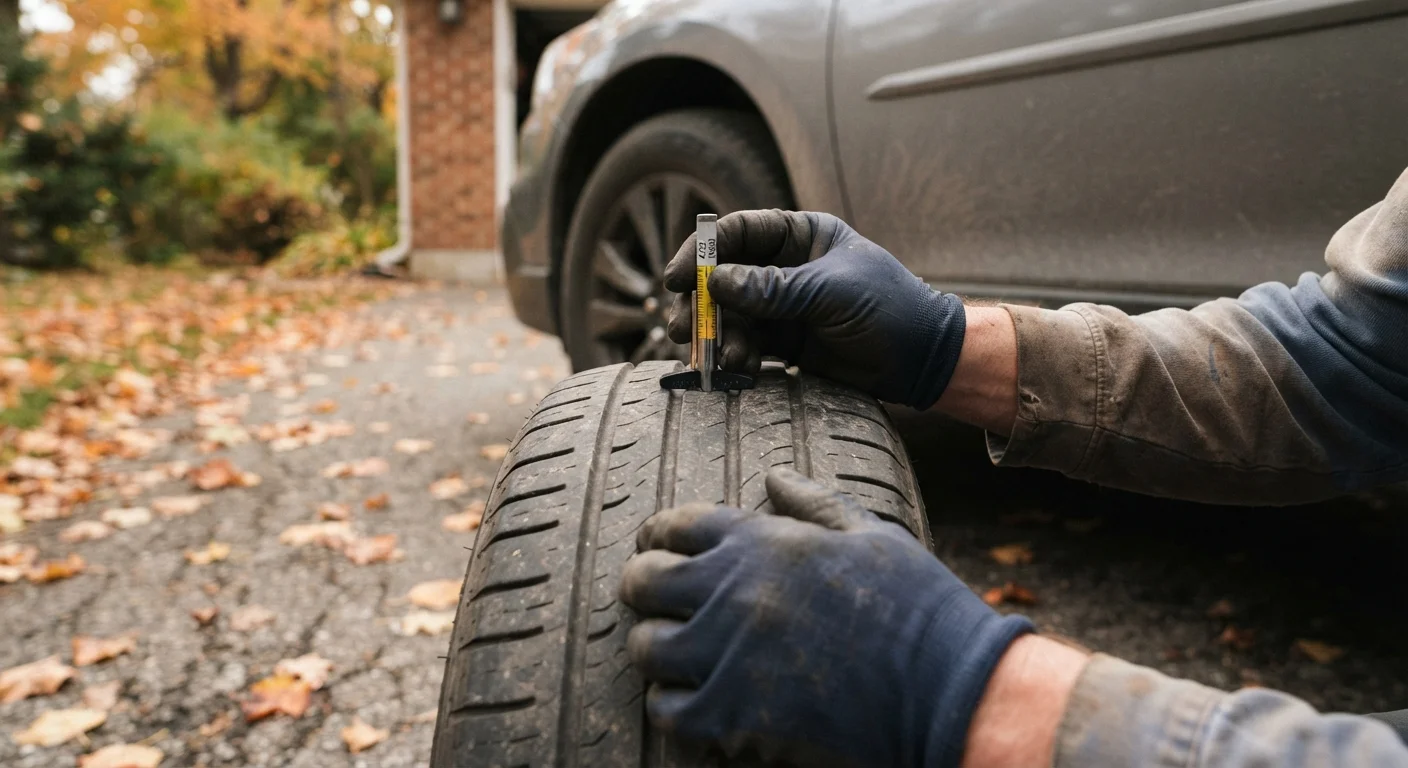
Key Takeaways
- Tire condition and pressure are the most safety-critical items to check at every seasonal transition.
- Fluids — especially coolant and washer fluid — need adjustment based on expected temperatures.
- Wiper blades and lights degrade faster than most drivers notice; inspect them proactively.
- A seasonal check takes under an hour and can prevent costly repairs or roadside emergencies.
- Some items are DIY-friendly; others warrant a professional mechanic's eye.
Summary
22 items · 30–60 minutes
Why Seasonal Checks Matter
Most car problems don't announce themselves in advance. A tire that looked fine in October can be dangerously underinflated by January — cold air causes pressure to drop roughly 1 PSI for every 10°F decrease in temperature. Similarly, wiper blades that cleared summer thunderstorms may streak badly on a frosty windshield. The point of a seasonal check isn't to perform a full service — it's to catch predictable problems before driving conditions get demanding.
This checklist is organized by category so you can work through it methodically. Most items take just a few minutes each. Some you can handle yourself; others are a prompt to schedule time with a qualified mechanic. For a broader look at year-round habits that protect your vehicle, see our guide on habits that extend vehicle life.
Tires
Fluids
Battery and Electrical
Wipers and Visibility
Brakes and Safety Systems
Emergency Kit and Interior Prep
Tools and Supplies to Have Ready
You don't need a full garage to run through these checks. The basics below will cover the majority of items on this list. If you're unsure about anything you find, that's a signal to have a professional take a look — not to skip the item.
Tire pressure gauge
Accurately measures PSI in each tire so you can inflate to the manufacturer-specified level.
Penny or quarter (tread-depth test)
Used to quickly estimate remaining tire tread depth without a specialized gauge.
Flashlight or work light
Lets you clearly see fluid reservoirs, brake components, and undercarriage areas in low-light conditions.
Battery tester or voltmeter
Checks battery voltage and cold cranking amps to assess whether the battery is likely to fail in cold or hot weather.
Terminal brush
Removes corrosion from battery terminals to ensure a reliable electrical connection.
Clean rags and latex gloves
Protect your hands when checking fluids and keep dipsticks and reservoirs clean during inspection.
Key Risks and What to Watch For
Don't Ignore Dashboard Warning Lights
If any warning light — check engine, battery, tire pressure (TPMS), or brake — stays on after startup, treat it as a prompt to investigate before relying on the vehicle in changing conditions. Warning lights are the car's way of flagging a system that needs attention. Driving for weeks with an undiagnosed warning light can turn a minor issue into a major repair.
Two areas deserve extra attention depending on the season: cooling system performance in summer and battery reliability in winter. Heat accelerates battery fluid evaporation and degrades coolant additives; cold temperatures reduce the battery's ability to deliver starting power. Both can leave you stranded without much warning. Our dedicated article on why coolant level matters covers that system in detail.
Brake Fluid and Coolant Aren't DIY Flushes for Everyone
Checking fluid levels is straightforward; performing a full fluid flush is a different matter. Brake system work in particular involves safety-critical components and should only be done by someone with the right knowledge and tools. If you find low brake fluid or heavily contaminated coolant, schedule time with a qualified mechanic rather than attempting a DIY fix without experience.
Cold-Weather Battery Failures Happen Without Warning
A battery that starts the car fine in September can fail to turn over the engine on a cold January morning — cold temperatures significantly reduce available battery power. If your battery is more than three to four years old, having it tested before winter is worthwhile even if it seems to be performing normally.
If you're planning a long drive after completing these checks, cross-reference with our pre-journey driver readiness checklist for additional items specific to extended trips. For wet-weather driving technique, driving in heavy rain without losing confidence is worth a read before spring or fall travel.
This article is for general informational purposes only. Specific maintenance needs vary by vehicle make, model, and mileage. Always consult your owner's manual and a qualified mechanic for guidance tailored to your vehicle.