

Cars & Driving

Before Every Long Journey: A Driver's Readiness Checklist

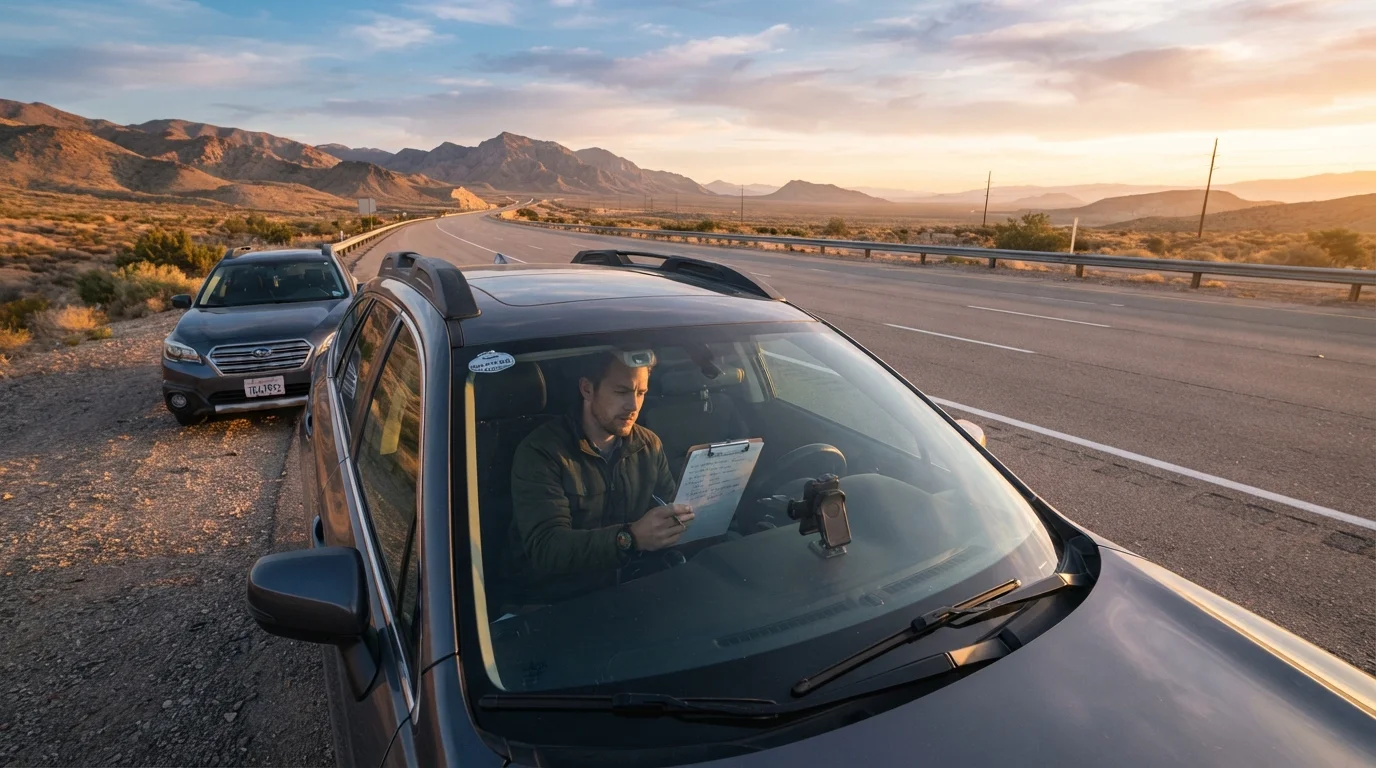
Driver reviewing a checklist inside a car parked on an open highway at dawn

Key Takeaways

  • Checking tires, fluids, and lights before a long trip can prevent most common roadside breakdowns.
  • Fatigue planning is just as important as vehicle prep — know your limits before you leave.
  • Keeping key documents and a basic emergency kit in the car protects you if something goes wrong.
  • A quick route review helps you anticipate fuel stops, road conditions, and detours.
  • Most pre-trip checks take under 30 minutes and require no special tools or mechanical skill.
20–45 min

Summary

22 items · 20–45 minutes

Why a Pre-Trip Checklist Pays Off

Most long-drive breakdowns and close calls are preventable. According to roadside assistance data, tire problems, dead batteries, and empty fuel tanks consistently top the list of service calls — all issues a quick walk-around could catch before you leave the driveway.

This checklist is designed for everyday drivers heading out on any journey of two hours or more. You don't need mechanical expertise — just 20 to 45 minutes and a methodical approach. For seasonal variations on these checks, see our seasonal car maintenance guide. And if you're new to owning a car, this roadworthy basics article is a solid starting point.

Required

Tire pressure gauge

Accurately reads PSI in each tire so you can compare against the vehicle's recommended level.

Required

Flashlight or phone torch

Helps you see under the hood and inspect tires clearly, especially in low-light conditions.

Optional

Offline map app

Provides navigation when cellular service drops out on remote or rural stretches.

Required

Basic roadside emergency kit

Contains jumper cables, a reflective triangle or flares, a basic first-aid kit, and a multi-tool for roadside situations.

The Full Pre-Trip Checklist

Work through these groups in order — vehicle first, then logistics, then yourself. Rushing through out of sequence is how items get missed.

Vehicle — Exterior Walk-Around

Check all four tires for visible damage, embedded objects, or sidewall bulges, and confirm pressure matches the recommended PSI (found on the driver's door jamb sticker). Must
Test all exterior lights — headlights, brake lights, turn signals, and reverse lights — by walking around the car while a passenger or wall reflection helps confirm each one. Must
Inspect wiper blades for cracking or streaking and test them with a quick spray of washer fluid. Should
Check that all windows are clean and unobstructed, including rear and side mirrors. Should

Vehicle — Under the Hood

Check engine oil level using the dipstick with the engine cold; top off if the level is below the minimum mark. Must
Verify coolant level in the overflow reservoir and confirm it sits between the MIN and MAX marks. Must
Check windshield washer fluid and top up if low — especially important on highways where road spray is frequent. Should
Glance at brake fluid and power steering fluid levels if your vehicle has a conventional hydraulic system. Nice to have

Documents and Fuel

Confirm you have your driver's license, vehicle registration, and proof of insurance before pulling out. Must
Fill up the gas tank at or close to home — fuel pricing and availability can vary significantly on rural or interstate routes. Should
Note the location of the next few fuel stops along your route, especially if driving through remote areas. Should

Route and Conditions

Review your planned route and identify any known construction zones, toll roads, or weather advisories before you leave. Must
Download offline maps for your route in case cellular service is unavailable in parts of your journey. Should
Share your destination, estimated arrival time, and route with someone who isn't traveling with you. Should
Check current weather forecasts for the full route, not just your departure point. Must

Driver Readiness

Assess your sleep from the night before honestly — driving on fewer than six hours significantly impairs reaction time and decision-making. Must
Plan a rest stop at least every two hours or 100 miles, whichever comes first, to reduce fatigue buildup. Must
Check whether any medications you're taking carry drowsiness warnings, and plan accordingly. Must
Pack water and a light snack to sustain focus — dehydration is a surprisingly common driver fatigue factor. Should
Set your phone to Do Not Disturb driving mode before starting the engine. Must
Adjust mirrors and seat position before moving — this prevents unsafe adjustments while driving. Nice to have

Don't Skip the Fatigue Check

Drowsy driving impairs reaction time similarly to alcohol impairment, according to traffic safety research. If you slept poorly the night before, seriously consider delaying your departure or sharing driving duties. No checklist item is more important than the alertness of the person behind the wheel.

What to Keep in the Car — Always

Even a well-maintained vehicle can encounter unexpected problems. A small kit stored in your trunk adds almost no weight but can make a significant difference if you end up stranded or in an accident.

Your Emergency Kit Minimum

At minimum, keep jumper cables (or a portable jump starter), a reflective warning triangle or road flares, a basic first-aid kit, a phone charging cable, and a gallon of water in your vehicle at all times. If you drive in winter conditions, add a blanket and an ice scraper. These items cost little upfront but can be critical if you're stranded far from help.

For a deeper look at what experienced drivers actually pack — and what they've stopped bothering with — check out what belongs in your road trip kit. If you're planning a full road trip rather than a single drive, the Road Trip Planning hub covers route, accommodation, and budget considerations as well. You may also want to compare this list with the pre-departure road trip checklist, which goes further into packing and documents.

This article is for general informational purposes. Always consult a qualified mechanic before driving a vehicle you have concerns about — especially on long or remote routes.

Cars & Driving Editorial Team is the collective byline for our editorial team and contributor network. Articles published under this byline or an editorial pen name are researched, written, and reviewed according to our editorial standards for clarity, consistency, and independence before publication.

View all articles by Cars & Driving Editorial Team →
Disclaimer: The content provided on our blog site traverses numerous categories, offering readers valuable and practical information. Readers can use the editorial team’s research and data to gain more insights into their topics of interest. However, they are requested not to treat the articles as conclusive. The website team cannot be held responsible for differences in data or inaccuracies found across other platforms. Please also note that the site might also miss out on various schemes and offers available that the readers may find more beneficial than the ones we cover.