

Key Takeaways
- Gentle driving during the first few minutes after a cold start reduces engine wear significantly.
- Checking fluid levels monthly costs nothing and catches problems before they escalate.
- Tire pressure and tread condition affect both safety and how long your drivetrain lasts.
- Following your vehicle's manufacturer service intervals — not generalized rules — is the most reliable approach.
- Keeping maintenance records improves resale value and helps mechanics diagnose problems faster.
Why Small Habits Matter More Than Big Repairs
Most vehicles that reach high mileage without major mechanical failures share a common thread: they were consistently maintained, not just fixed when broken. The gap between a car that lasts 150,000 miles and one that struggles past 80,000 is rarely about luck — it's usually about habits built over years of ownership.
Deferred maintenance has a compounding effect. Skipping an oil change stresses engine components; worn coolant accelerates corrosion; low tire pressure increases heat buildup in sidewalls. Each neglected item nudges others toward failure. Understanding how deferred maintenance compounds inside an engine helps put the stakes in perspective.
The good news: the habits that make the biggest difference are neither expensive nor time-consuming. They just need to be consistent.
Driving Behavior That Protects Mechanical Components
How you drive is as important as what you do in the driveway. Aggressive acceleration, hard braking, and high-speed cornering all accelerate wear on brakes, tires, suspension, and drivetrain components. Smooth, anticipatory driving isn't just a fuel economy strategy — it's a mechanical longevity strategy.
For fuel economy specifics, driving habits that reduce fuel consumption overlap heavily with habits that extend component life.
Smooth Driving Extends Component Life
Anticipating stops and accelerating gradually doesn't just save fuel — it reduces wear on brake pads, rotors, transmission components, and tires. Try to read traffic 10–15 seconds ahead and coast to decelerate where safe, rather than braking at the last moment. Over months and years, this adds up to measurably longer service life on expensive components.
Cold starts deserve particular attention. Engine oil takes a short time to fully circulate and reach operating temperature. Avoid high revs or heavy loads for the first minute or two of driving — especially in cold weather — to give lubrication time to do its job.
Routine Checks Every Owner Should Know
You don't need a mechanic to perform the checks that prevent the most common failures. A monthly walk-around and a few minutes under the hood can catch issues well before they become roadside emergencies.
~80%
Of engine wear occurs during cold starts
Engineering research broadly supports that a significant portion of engine component wear happens in the minutes before oil fully circulates — reinforcing the value of gentle cold-start driving habits.
25%
Fuel efficiency loss from under-inflated tires
The U.S. Department of Energy has noted that tires under-inflated by just 1 PSI per tire can reduce fuel economy by around 0.2% — and most drivers run multiple tires low simultaneously.
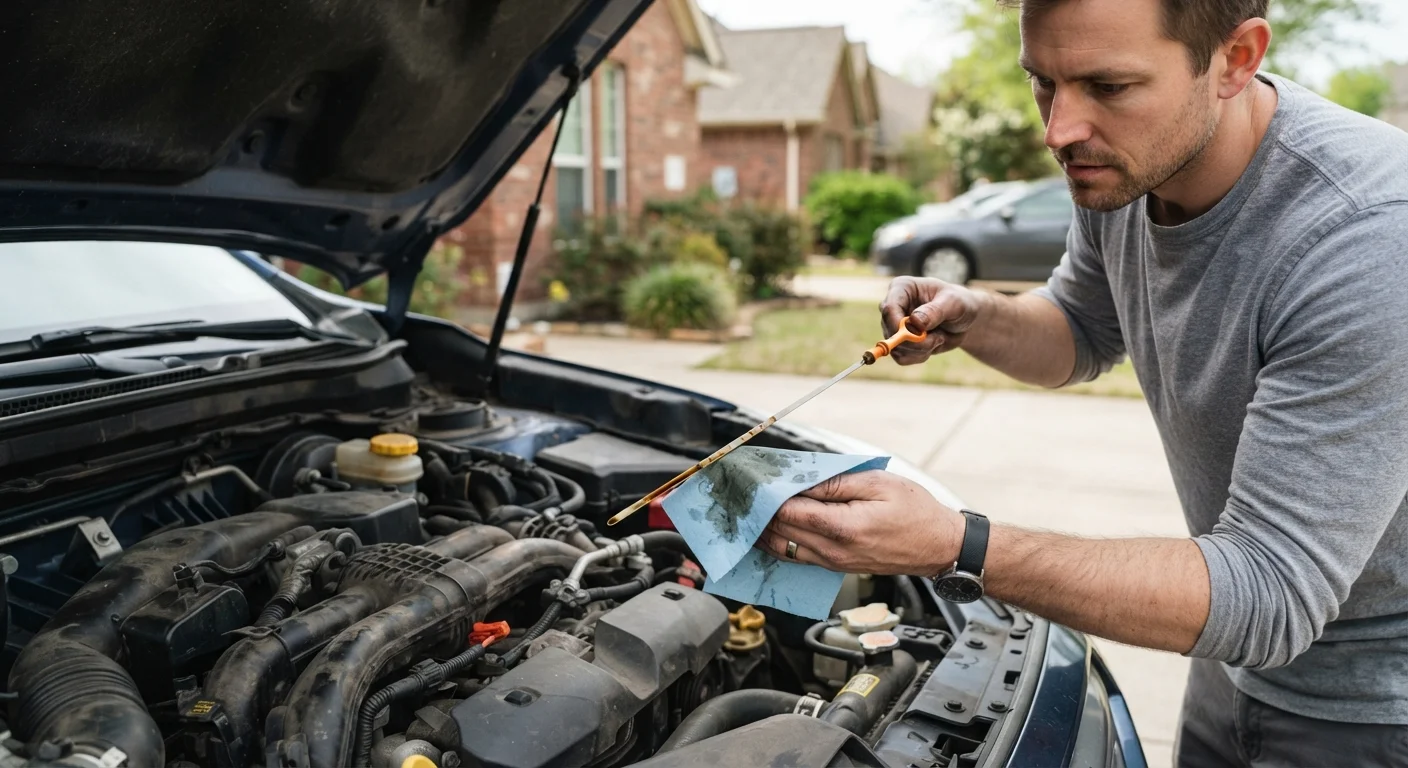
- Engine oil: Check level and color monthly using the dipstick. Dark, gritty oil is due for a change; milky or frothy oil may indicate coolant contamination — get that inspected promptly.
- Coolant: Verify the reservoir level is between MIN and MAX marks when the engine is cold. Low coolant is a warning, not just an inconvenience.
- Tire pressure: Use a gauge — not a visual estimate — to check each tire monthly and before long trips. Find the correct pressure on the sticker inside the driver's door jamb, not on the tire sidewall.
- Brake fluid and power steering fluid: These are often overlooked but have marked reservoir windows that make checking straightforward.
New drivers especially benefit from building these habits early. A focused introduction to roadworthy basics covers these checks in plain language for those just starting out.
Service Intervals and Record-Keeping
One of the most common maintenance mistakes is following generic rules — "change oil every 3,000 miles" being the most persistent — rather than consulting the owner's manual. Modern vehicles vary significantly in their requirements. Some call for oil changes every 5,000 miles; others extend to 10,000 or more depending on the oil type and driving conditions. Several widely held maintenance beliefs are simply outdated and following them can mean unnecessary expense or, worse, false confidence that something's been addressed when it hasn't.
Your Owner's Manual Is the Authoritative Source
General maintenance advice is a starting point, but every vehicle has specific requirements set by its manufacturer. Oil viscosity, filter types, transmission fluid intervals, and spark plug replacement schedules all vary by make, model, and engine. When in doubt, the owner's manual — or a trusted mechanic familiar with your vehicle — takes precedence over generalized rules you may have heard.
Keep a simple log of every service performed — date, mileage, and what was done. A folder of receipts works fine. This record serves two purposes: it helps you stay on schedule, and it's a meaningful selling point when you eventually move on from the vehicle. Buyers and dealers can verify care history, which translates to higher trust and potentially better offers.
Seasonal conditions also shift what your car needs. A seasonal maintenance checklist helps ensure you're adjusting checks and intervals as temperatures and road conditions change throughout the year.