

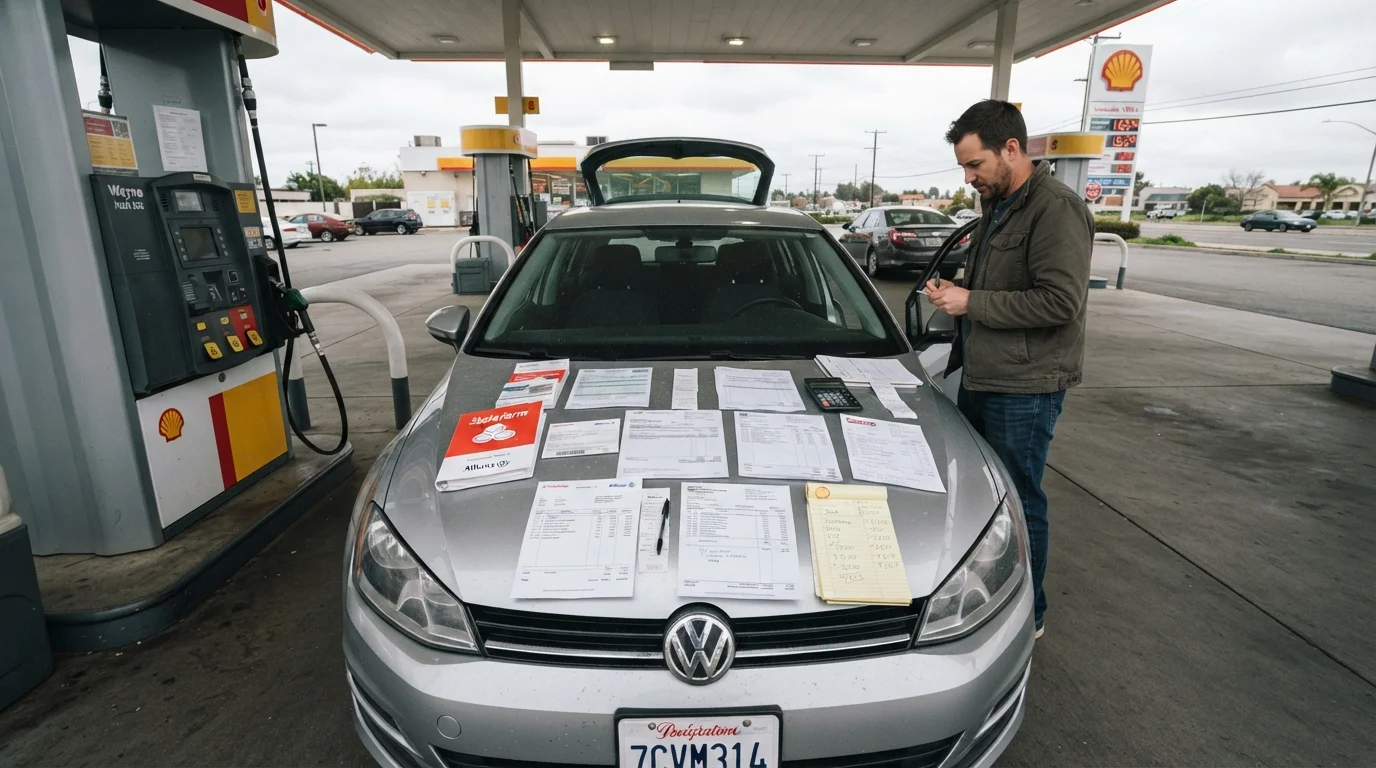
Key Takeaways
- Depreciation is typically the single largest cost of car ownership, often erasing 15–25% of value in the first year alone.
- Insurance, fuel, and routine maintenance together can add thousands of dollars to your annual vehicle costs.
- Understanding all ownership costs before buying helps you choose a vehicle that fits your actual budget.
- Regular maintenance reduces costly surprises and extends your vehicle's useful life.
- Financing a car adds interest costs on top of every other ownership expense.
True Cost of Car Ownership
The true cost of owning a car is the total amount you spend on a vehicle over time — not just what you paid to buy it. It includes recurring expenses like fuel, insurance, registration, maintenance, and repairs, plus the ongoing loss of the vehicle's value known as depreciation. Understanding this full picture helps you budget accurately and avoid financial surprises.
Automotive industry analysts typically calculate total cost of ownership (TCO) over a five-year period, factoring in depreciation, financing interest, insurance premiums, fuel, maintenance, and taxes — costs that can collectively dwarf the original purchase price.
Why the Purchase Price Is Only the Starting Point
When most people think about affording a car, they focus on the monthly payment or the asking price. That's understandable — it's the most visible number. But it represents only a fraction of what the vehicle will actually cost you over the years you own it.
Every car comes with a long tail of recurring expenses that begin the moment you drive off the lot. Fuel, insurance premiums, registration fees, routine servicing, and unexpected repairs all add up — and on top of those, your vehicle is quietly losing value every single day through depreciation. Getting a clear picture of these costs before you buy is one of the smartest financial moves any driver can make.
For a deeper look at what tends to catch new owners off guard, see what new car owners often overlook in the first year.
15–25%
New car value lost in year one
Industry estimates commonly place first-year depreciation for new vehicles in this range, though the exact figure varies by make, model, and market conditions.
$9,000–$12,000
Estimated average annual ownership cost
Automotive cost-of-ownership analyses frequently cite this range for typical US drivers when all recurring costs are factored in.
~15%
Portion of ownership cost from fuel alone
Fuel spending as a share of total ownership costs varies with gas prices and driving distance but consistently ranks among the top recurring expenses.
The Big Costs Broken Down
Depreciation
Depreciation is the gradual loss of your vehicle's market value over time. It's the largest ownership cost most drivers never write a check for — but it's very real when you eventually sell or trade in. New vehicles tend to depreciate fastest in the early years. Used vehicles depreciate more slowly, which is one reason they can offer better overall value for budget-conscious buyers.
Fuel
How much you spend on fuel depends on your vehicle's fuel economy, how much you drive annually, and local gas prices — all of which can vary considerably. A vehicle that gets 25 mpg costs noticeably less to fuel than one averaging 18 mpg, a difference that compounds over years of ownership.
Insurance
Auto insurance is both a legal requirement in most states and a significant ongoing expense. Premiums vary based on your driving record, the vehicle's make and model, where you live, your age, and the level of coverage you carry. Shopping around at renewal and maintaining a clean driving record are among the most effective ways to manage this cost.
Maintenance and Repairs
Routine maintenance — oil changes, tire rotations, brake inspections, fluid top-offs — is predictable and manageable when planned for. Unexpected repairs are harder to budget for but inevitable over a vehicle's life. Consistent upkeep is the best defense against large, avoidable repair bills. Our guide on keeping a car running well for the long haul covers practical habits that help extend vehicle life.
Registration and Taxes
Annual vehicle registration fees and any applicable state or local taxes are easy to overlook in the planning stage. These costs vary significantly by state and sometimes by vehicle value or weight, so it's worth checking your state's specific schedule before committing to a purchase.
Factor In Costs Before You Commit
Before finalizing any vehicle purchase, estimate annual insurance costs by getting a quote for that specific make and model, check its EPA fuel economy rating, and research typical maintenance intervals and costs. Adding these figures to your budget gives you a far more accurate picture of what you can genuinely afford to own — not just buy.
Financing Adds Another Layer of Cost
If you finance your vehicle rather than paying cash, interest charges increase what you ultimately pay. A longer loan term lowers monthly payments but typically results in more total interest paid and can leave you "underwater" — owing more than the car is worth — if depreciation outpaces your payoff schedule.
Before committing to a loan, it's worth calculating the total repayment amount, not just the monthly figure. For general guidance on financial decision-making, always consider consulting a qualified financial professional about what fits your personal situation.
“People consistently underestimate the gap between what a car costs to buy and what it costs to own. The ongoing expenses — depreciation, insurance, fuel — routinely exceed the purchase price over a typical ownership period.”
— Consumer Financial Analysts (general industry perspective), Automotive cost-of-ownership research, general industry consensus
Putting It All Together
A practical way to estimate your true ownership cost is to add up all anticipated annual expenses — insurance, fuel, maintenance, registration — then factor in depreciation by estimating how much the vehicle's value will drop over your planned ownership period. Divide total projected costs by the number of years you plan to own the vehicle for a realistic annual figure.
Choosing a vehicle with strong predicted reliability, reasonable insurance rates, and good fuel economy before signing anything gives you the best chance of keeping that annual number manageable. More context on ownership planning is available in our full breakdown of car costs beyond the sticker price. For broader driving and maintenance guidance, the car maintenance hub is a practical starting point.