

Key Takeaways
- Always run a VIN history report before committing to any used vehicle purchase.
- A pre-purchase inspection by an independent mechanic is worth every dollar.
- Mismatched paint, rust, and uneven panel gaps are reliable red flags for prior collision damage.
- Service records tell you how well — or poorly — a car was maintained by previous owners.
- Never skip the test drive; many mechanical problems only reveal themselves in motion.
- Verify the title is clean and that the seller's ID matches the name on the title.
Summary
22 items · 45–90 minutes on-site, plus time for a VIN check and mechanic visit
Why This Checklist Matters
Buying a used car is one of the largest purchases most people make outside of a home. Unlike buying new, you're taking on a vehicle with an unknown history — previous owners, accidents, maintenance habits, and deferred repairs are all invisible without deliberate investigation. A systematic pre-purchase inspection protects your money and your safety.
This checklist is designed to work whether you're buying from a private seller, an independent dealer, or a franchised dealership. The same fundamentals apply. For context on what responsible ongoing ownership looks like after you buy, see our seasonal car maintenance guide and the Car Maintenance hub for essential upkeep tips.
VIN History Report Service
Provides accident history, title status, odometer records, and ownership history for the vehicle.
NHTSA Recall Database (nhtsa.gov)
Free government tool to check whether the vehicle has any open safety recalls by VIN.
OBD-II Scanner
Reads stored fault codes from the car's computer — helps surface hidden issues before purchase.
Flashlight
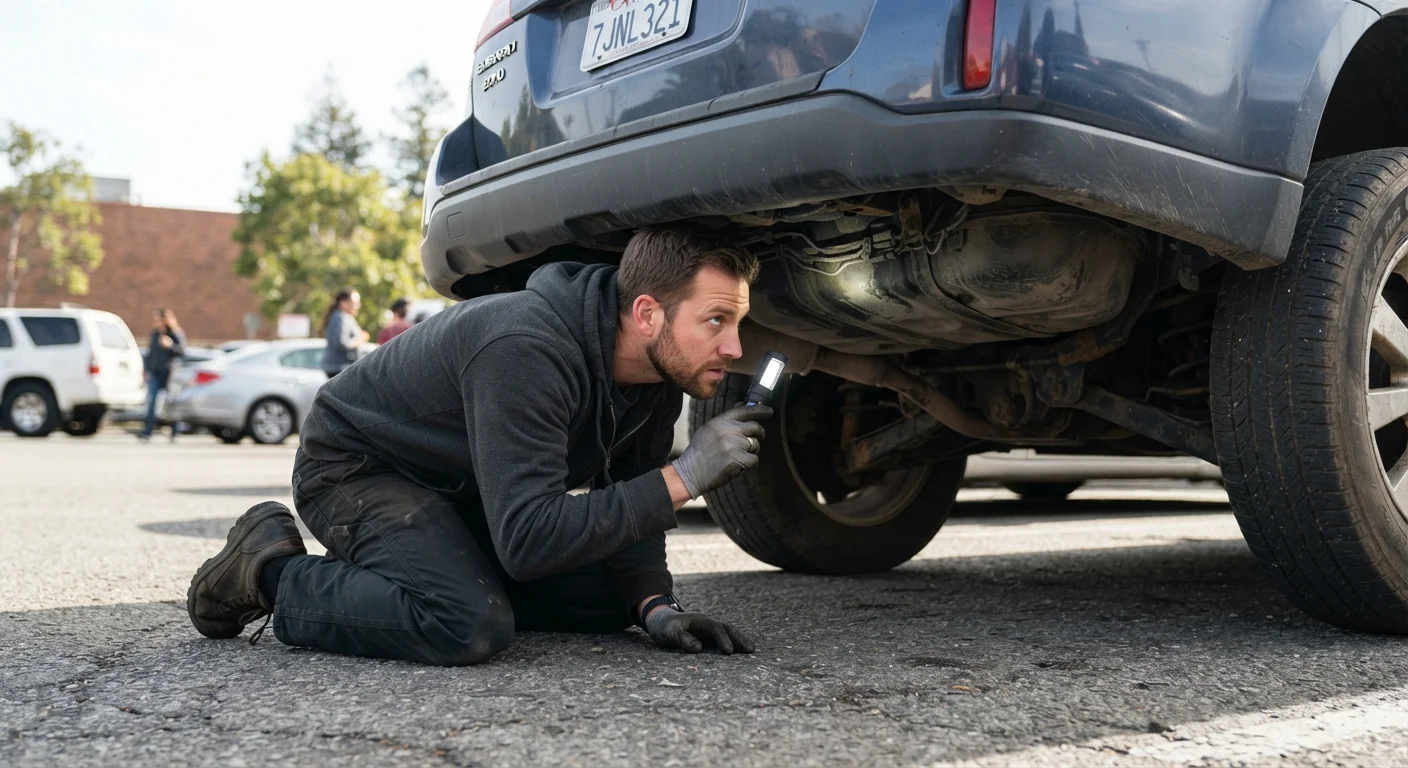
Essential for inspecting the undercarriage, engine bay, and interior corners in poor light conditions.
Independent Mechanic
Performs a professional pre-purchase inspection on a lift, identifying issues invisible to the untrained eye.
How to Use This Checklist
Work through the groups in order: start with paperwork before you ever see the car in person. There's no point inspecting a vehicle with a salvage title or mismatched VIN. Once the documents check out, move to the physical inspection — exterior first, then interior, then under the hood — and finish with a test drive and a professional mechanic's review.
Bring a flashlight, wear clothes you don't mind getting dirty, and schedule your visit during daylight hours. Wet or dark conditions make paint defects and rust much harder to spot. If you notice symptoms during the test drive that concern you — unusual noises, warning lights, handling issues — our article on warning signs your car needs a mechanic explains what those red flags typically mean.
Match the Title to the Seller's ID
Always verify that the name on the vehicle title matches the seller's government-issued ID. Purchasing from someone who isn't the legal owner — even unknowingly — can result in serious legal complications, including losing the vehicle. If the title shows a lender's lien, confirm it has been paid off before money changes hands.
The Pre-Purchase Checklist
Work through each group methodically. Items marked must are non-negotiable — skipping them significantly increases your risk. Items marked should are strongly recommended. Nice-to-have items add confidence but are lower priority if time is limited.
Paperwork & History
Exterior Inspection
Interior & Electronics
Under the Hood
Test Drive
Final Verification
Never Skip the Independent Inspection
A seller who refuses to let you take the car to an independent mechanic is a serious red flag. A pre-purchase inspection typically costs $100–$200 and can reveal thousands of dollars in hidden problems. If the seller insists on urgency or claims there's 'another buyer waiting,' treat that as pressure tactics — take the time you need.
Rebuilt and Salvage Titles Carry Long-Term Risks
A salvage or rebuilt title means the vehicle was previously declared a total loss by an insurer. These cars can be road-worthy, but they may be harder to insure, harder to resell, and may carry structural damage that isn't visible. If a VIN report or title reveals this status, factor it heavily into your decision and pricing.
After the Checklist: Next Steps
If the car passes your inspection and the mechanic gives it a clean bill of health, you're in a strong position to negotiate. Use any issues the mechanic found as leverage — documented repair needs are fair grounds for adjusting the price. Get any seller representations about the vehicle's condition in writing before you hand over any money.
Once you own the vehicle, keep its service history going from day one. A well-maintained log adds resale value and gives future buyers the same confidence you wanted when you were in their position. Before your first long trip in a new-to-you vehicle, run through our driver's readiness checklist to make sure everything is road-trip ready.
This article is for general informational purposes only and does not constitute legal or financial advice. Consult appropriate professionals regarding title issues, financing, or insurance before completing any vehicle purchase.