

Key Takeaways
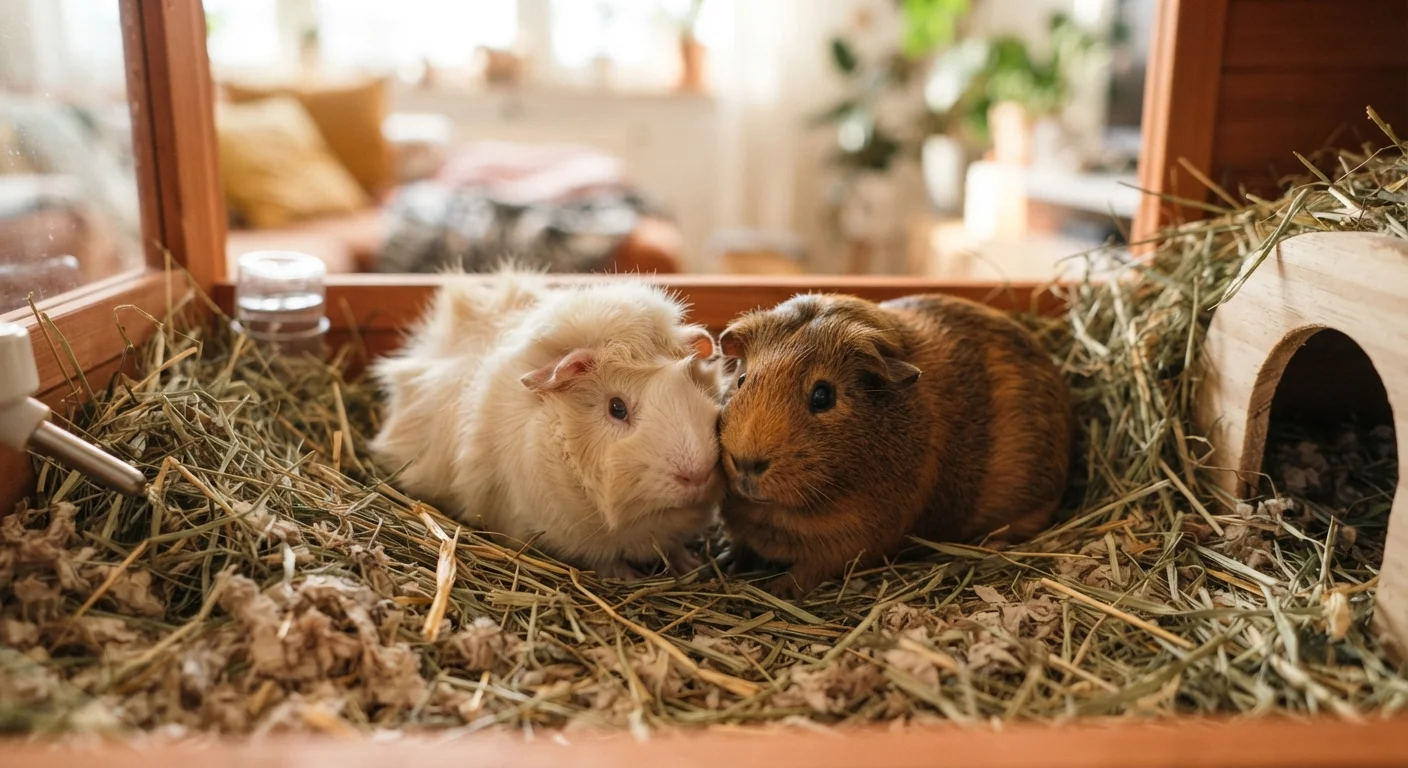
- Guinea pigs are obligate social animals and generally do better in pairs or small groups.
- Hamsters are largely solitary and can become aggressive when housed with others.
- Rabbits often thrive with a bonded companion but require careful, gradual introductions.
- Rats are highly social mammals that typically benefit from living in same-sex pairs or groups.
- Matching a pet's social needs to your home setup is just as important as diet or enclosure size.
Small Pet Social Needs
Social needs refer to how much interaction — with humans, other animals, or both — a pet requires to stay mentally and physically healthy. Some small animals are naturally wired to live in groups, while others are solitary by nature and can actually experience stress when forced to cohabitate. Understanding these needs is a core part of responsible small-pet ownership.
Behavioral scientists describe animals as 'obligate social' (must live in groups) or 'facultatively social' (can live alone but benefit from some interaction) — and this distinction varies significantly across common small pet species.
Why Social Structure Matters for Small Pets
When most people picture 'social animals,' they think of dogs or horses — not hamsters or gerbils. But small pets have evolved social structures just as specific and meaningful as any large animal, and ignoring those structures is one of the most common mistakes new owners make.
A guinea pig living alone in a quiet cage isn't simply 'independent' — it may be chronically stressed. Conversely, two Syrian hamsters sharing an enclosure aren't companions; they're potential combatants. Getting this right matters deeply for your pet's quality of life. See our common early mistakes guide for more pitfalls worth knowing about.
2+
Recommended minimum guinea pig group size
Animal welfare organizations in several countries, including the UK's RSPCA, recommend guinea pigs be kept in groups of at least two due to their obligate social nature.
~2 yrs
Average lifespan of a domestic rat
Given their short lifespan, providing rats with same-sex companions from the start is widely considered a core welfare priority by small-animal veterinarians.
1
Recommended housing number for Syrian hamsters
Syrian hamsters are solitary by nature; animal behavior experts consistently recommend single housing to prevent stress and injury from territorial conflict.
Species-by-Species Social Breakdown
Guinea Pigs: Built for Company
In the wild, guinea pigs live in loose social groups and rely on group dynamics for safety and comfort. This isn't just preference — isolation has been shown to cause measurable physiological stress in guinea pigs. Many European countries now legally require guinea pigs to be kept in pairs or groups. A bonded same-sex pair (or a neutered male with females) is typically the recommended setup.
Hamsters: Solitude Is Natural
Syrian hamsters are territorial in the wild and will defend their space aggressively. Even dwarf hamster species, which are sometimes sold as 'social,' often do best alone once they reach adulthood. Forcing cohabitation usually ends badly. Enrichment — tunnels, wheels, foraging opportunities — matters far more than companionship for hamsters.
Rabbits: Bonded Pairs With Caveats
Rabbits are social animals that often benefit from a bonded companion, but introductions require time, patience, and a neutral territory. Two unintroduced rabbits placed in the same space can fight seriously. A bonded pair will groom each other, sleep together, and show clear signs of mutual comfort. Our article on guinea pigs vs. rabbits as companion animals explores their social differences in more depth.
Rats: Highly Social Mammals
Domestic rats are among the most socially sophisticated small pets. They play, groom each other, and can show signs of grief when a companion dies. Most animal welfare organizations recommend keeping rats in same-sex pairs or small groups as a baseline standard of care.
Human Interaction: When You Are the Social Outlet
For some species — particularly those kept alone by necessity — regular, gentle human interaction becomes essential. Rats, for instance, can form strong bonds with their owners and benefit from daily handling and play. For solitary species like Syrian hamsters, human interaction provides mental stimulation without the risk of territorial conflict.
Daily Interaction Counts — Even for Solitary Species
Even if your pet doesn't need a cage companion, daily engagement from you matters. Short, calm handling sessions, foraging enrichment, and environmental novelty help keep solitary animals mentally stimulated. Aim for consistent, gentle interaction rather than infrequent lengthy sessions, which can actually cause stress in easily startled species.
That said, human attention is not a full substitute for species-appropriate companionship in genuinely social animals. A guinea pig that gets 30 minutes of human handling per day still needs the continuous social contact that only another guinea pig can provide. Before bringing a small pet home, research whether a single animal or a pair better fits the species — and your lifestyle.
“Animals have evolved specific social structures over thousands of generations. When we keep pets, we're stewards of that biology — and understanding it is one of the most important things an owner can do.”
— Temple Grandin, Animal behavior scientist and author of 'Animals in Translation'
Setting Up for Social Success
Once you understand your pet's social category, you can design their environment accordingly. For social species, enclosure size must accommodate multiple animals — crowding increases stress and conflict even among naturally social animals. For solitary species, enrichment replaces companionship as the primary mental health tool.
Watch for behavioral signals that something isn't working: barbering (fur chewing) in guinea pigs, excessive hiding, or persistent aggression can all point to social mismatch. If you're uncertain, a veterinarian experienced with exotic or small animals is the best resource for species-specific guidance. Understanding your pet's wiring before they arrive — not after — saves both animal and owner significant stress.
Introductions Take Time — Don't Rush Them
When introducing a new animal to an existing pet, always use a neutral space and allow gradual, supervised contact over days or weeks. Even naturally social species like rabbits and guinea pigs can react aggressively to a stranger placed directly in their established territory. Patience during introductions dramatically increases the likelihood of a stable, positive bond.