

| Number of monitored systems (typical modern car) | 50–100+ |
| Red light urgency | Stop or pull over safely — immediately |
| Amber light urgency | Schedule service within days, not weeks |
| Flashing vs. steady check engine light | Flashing = urgent; steady = schedule a scan |
| OBD-II port location | Under the dashboard, usually driver's side |
| TPMS activation threshold (US federal standard) | 25% below recommended tire pressure (NHTSA FMVSS No. 138) |
Why Warning Lights Exist — and Why You Shouldn't Ignore Them
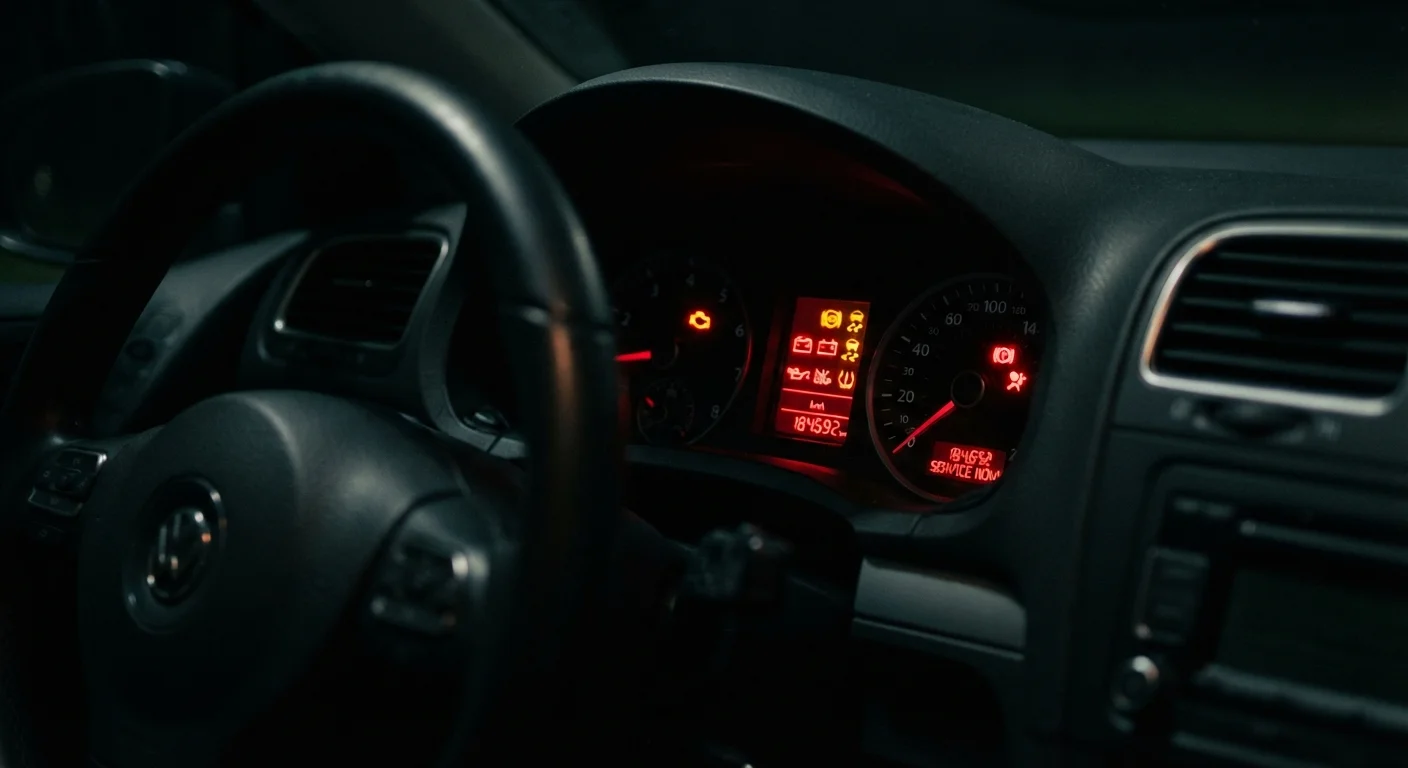
Modern vehicles monitor dozens of systems simultaneously, from engine temperature to brake fluid pressure. When something falls outside normal parameters, the onboard diagnostics system triggers a dashboard warning light. These aren't suggestions — they're your car telling you something needs attention.
The critical distinction every driver needs to understand is urgency level. Not every light means pull over immediately, but none of them mean "ignore indefinitely." A red light generally signals a serious, potentially vehicle-damaging or safety-critical issue. Amber or yellow lights typically indicate a fault that needs attention soon but isn't immediately dangerous. Blue and green lights are informational — they tell you a system is active, not that something is wrong.
Ignoring warning lights is one of the most common ways drivers turn a relatively minor fix into a major repair bill. For a broader look at keeping your car in shape, see our car maintenance schedule guide.
| Number of monitored systems (typical modern car) | 50–100+ |
| Red light urgency | Stop or pull over safely — immediately |
| Amber light urgency | Schedule service within days, not weeks |
| Flashing vs. steady check engine light | Flashing = urgent; steady = schedule a scan |
| OBD-II port location | Under the dashboard, usually driver's side |
| TPMS activation threshold (US federal standard) | 25% below recommended tire pressure (NHTSA FMVSS No. 138) |
The Most Common Warning Lights, Decoded
Here's what the lights you're most likely to encounter actually mean:
Check Engine Light (CEL)
An amber light shaped like an engine outline. It indicates the engine management system has detected a fault, ranging from a loose gas cap to a failing sensor. A steady CEL warrants a diagnostic scan; a flashing CEL requires immediate attention.
TPMS
Tire Pressure Monitoring System. An amber light (usually an exclamation mark inside a tire cross-section) that activates when one or more tires fall significantly below the recommended pressure. Check and inflate tires promptly — low pressure affects handling and fuel economy.
Oil Pressure Warning
A red oil can symbol. This is one of the most serious warning lights — it signals that oil pressure has dropped dangerously low. Stop the engine as soon as safely possible. Driving with low oil pressure can cause catastrophic engine damage within minutes.
Battery / Charging System
A red battery icon. It indicates the charging system isn't maintaining proper voltage, usually pointing to a failing alternator or battery. The car may keep running on battery reserve for a short time, but you should head directly to a workshop.
Coolant Temperature Warning
A red thermometer symbol in wavy lines. It means the engine is overheating. Pull over safely, turn off the engine, and do not open the radiator cap while the engine is hot. Overheating can warp cylinder heads and cause major damage quickly.
ABS Warning Light
An amber circle with 'ABS' inside. It indicates a fault in the Anti-lock Braking System, which prevents wheel lockup during hard stops. Your regular brakes still work, but ABS assist is disabled — drive cautiously and have it inspected promptly.
Brake System Warning
A red exclamation mark inside a circle (sometimes labeled 'BRAKE'). Could mean the parking brake is engaged, brake fluid is low, or there's a fault in the brake circuit. If the parking brake is off and the light stays on, do not drive — have the vehicle inspected immediately.
Traction Control / Stability Warning
A car with wavy lines underneath, sometimes labeled 'ESC' or 'TCS.' A momentary flash means the system is actively working to maintain traction. A steady light means the system has a fault or has been manually disabled and is not functioning.
For a deeper dive into which of these lights drivers most often dismiss — and the consequences — see our companion piece on dashboard warnings drivers commonly ignore.
When to Stop Driving vs. When to Schedule a Visit
Knowing what a light means is only half the battle — understanding how urgently to respond is the other half.
- Stop driving immediately (red lights): Oil pressure warning, engine temperature (overheating), brake system warning, battery/charging system failure. Continuing to drive risks serious mechanical damage or a safety hazard.
- Drive to a shop soon (amber lights): Check engine, TPMS (tire pressure), traction control fault, service due. These can usually wait a day or two but shouldn't be deferred for weeks.
- Monitor and verify (amber, steady): If an amber light appears but the car is running normally, checking fluid levels or tire pressures yourself can sometimes resolve it immediately.
Your Owner's Manual Is the Definitive Source
Warning light symbols are not fully standardized across all makes and models. While many follow common conventions, some manufacturers use unique icons or color schemes. Your vehicle's owner's manual — usually accessible digitally through the manufacturer's website or app — always has the exact definition for your specific model. When in doubt, look it up before assuming.
If your check engine light is flashing — rather than steady — treat it as urgent. A flashing check engine light typically indicates an active misfire that can damage the catalytic converter if the car keeps running. Pull over safely and call for assistance.
When symptoms accompany a warning light — unusual sounds, vibrations, burning smells, or handling changes — that combination almost always means a mechanic, not just a top-up.
1 in 4
Cars on US roads with a fault code stored
Industry diagnostic data consistently suggests a substantial share of vehicles have an unaddressed fault code at any given time.
25%
Tire pressure drop that triggers TPMS
US federal safety standards (FMVSS 138) require TPMS to warn when any tire drops to 25% below the vehicle manufacturer's recommended cold inflation pressure.
Practical Steps When a Light Comes On
Don't panic, but don't dismiss it either. Here's a sensible approach:
- Note the color and symbol. Pull up your owner's manual (or the manufacturer's app) to confirm what the specific symbol means for your vehicle. Symbols aren't always universal.
- Check the obvious first. For TPMS, check tire pressures. For low fuel, fuel up. For temperature, check coolant level only when the engine is cold.
- Use an OBD-II scanner if you have one. These inexpensive devices plug into a port under your dashboard and retrieve the specific fault code, giving you more information before you visit a shop.
- Don't clear codes without understanding them. Resetting a warning light without fixing the underlying problem just delays the diagnosis.
Keeping up with routine tire checks can prevent TPMS lights from catching you off guard — our guide on tire pressure and tread depth checks covers what to look for and how often. And if you're evaluating a used vehicle where warning lights have been cleared, our used car pre-purchase checklist explains how to spot that red flag.
OBD-II Fault Code Lookup
Free online databases let you enter an OBD-II fault code (e.g., P0420) and get a plain-English explanation of what it means and common causes, helping you have a more informed conversation with your mechanic.
Vehicle Owner's Manual (Digital)
Most automakers provide free digital access to owner's manuals via their websites. Searching your make, model, and year alongside 'owner's manual' typically brings it up — the warning lights section is usually indexed for quick reference.