

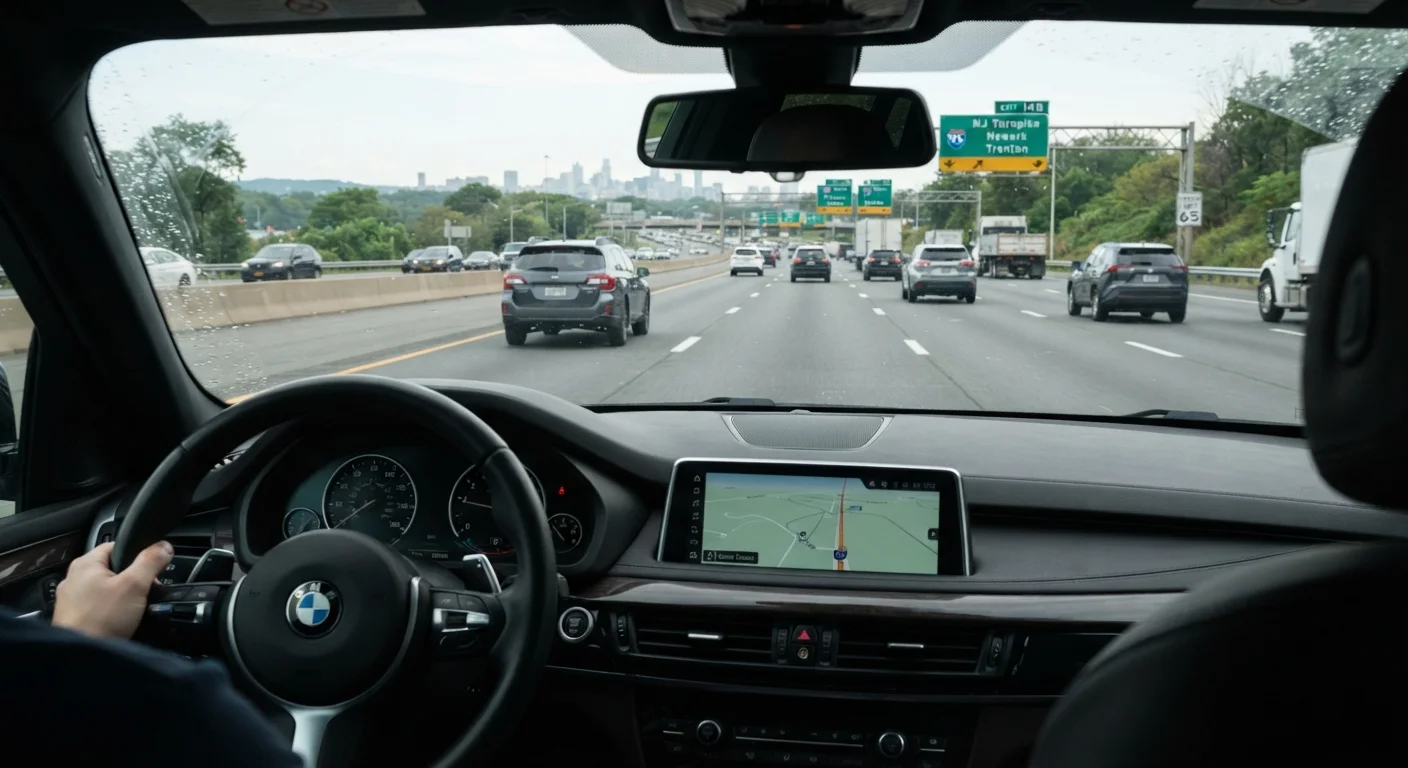
Key Takeaways
- Defensive driving is a mindset focused on anticipating hazards, not just reacting to them.
- Maintaining a safe following distance is one of the most effective protective habits a driver can develop.
- Scanning far ahead — not just at the car in front — gives you more time to respond to changing conditions.
- Distractions, overconfidence, and fatigue are the biggest enemies of defensive driving.
- Consistent small habits compound over time into significantly safer driving.
Start here
What Defensive Driving Actually Means
Core concept
The Core Mindset: Expect the Unexpected
Practical skills
Space, Speed, and Scanning: The Practical Tools
Watch out for
Common Habits That Undermine Defensive Driving
Long term
Building the Habit Over Time
What Defensive Driving Actually Means
Defensive driving is often described as a set of techniques, but at its core it's a way of thinking. The idea is straightforward: rather than assuming other drivers will behave predictably and roads will stay clear, a defensive driver accepts that hazards can appear at any moment — and drives accordingly.
This isn't about being anxious or timid. It's about staying alert, leaving yourself options, and never getting boxed into a situation where a single mistake by someone else leads to a collision. A confident, defensive driver is one who rarely has to make dramatic last-second maneuvers — because they've already positioned themselves to avoid the problem.
Following distance
The space you maintain between your vehicle and the one in front. A larger gap gives you more time to react if the driver ahead brakes suddenly.
Hazard perception
The ability to recognize developing risks on the road before they become emergencies — such as a car drifting toward your lane or a pedestrian stepping toward the curb.
Scanning
Actively moving your eyes across mirrors, blind spots, and the road ahead rather than fixating on one point. Good scanning gives you an early picture of what's developing around you.
Reaction time
The time between noticing a hazard and your vehicle actually responding to your input. At highway speed, even one second of delay covers a significant distance.
Merge zone
A section of road where traffic from different directions comes together, such as a highway on-ramp. These areas require extra attention because multiple vehicles are adjusting speed and position simultaneously.
The Core Mindset: Expect the Unexpected
The foundation of defensive driving is a simple mental shift: other drivers will sometimes do the wrong thing, and your job is to make sure that doesn't catch you off guard. Pedestrians step out without looking. Drivers run late amber lights. Trucks take wide turns. Weather degrades road grip without warning.
Accepting this doesn't mean distrusting everyone — it means keeping enough mental bandwidth to notice when something is developing. Experienced defensive drivers instinctively ask: What could go wrong here? as they approach intersections, merge zones, school zones, and any situation where multiple road users interact.
Practice the 'What If' Question
As you approach any intersection, ask yourself: what would I do if the cross-traffic doesn't stop? Having a pre-formed answer — even a vague one — shortens your response time if something does go wrong. This simple habit keeps your mind engaged even on routine routes.
This mindset also applies to conditions. Wet roads demand a different approach — longer stopping distances, reduced visibility, and unpredictable surface grip all change the equation significantly.
Space, Speed, and Scanning: The Practical Tools
Three practical habits translate the defensive mindset into real-world behavior:
- Space: Keeping a safe following distance is the single most reliable buffer against trouble. Tailgating severely limits your reaction time — something most drivers underestimate. The three-second rule is a practical minimum; add more in poor conditions.
- Speed: Drive at a speed that gives you time to stop within the distance you can see clearly. Posted limits are set for ideal conditions; they're not always appropriate for rain, fog, or heavy traffic.
- Scanning: Look well ahead of the car directly in front of you — aim for 12 to 15 seconds of sight distance where possible. Your eyes should be moving constantly: mirrors, blind spots, the road ahead, and the sides. This scan pattern catches hazards early.
Speed Limits Are a Ceiling, Not a Target
Posted speed limits reflect the maximum allowed under ideal conditions, not the safest speed in all situations. In fog, heavy rain, or congested traffic, driving below the posted limit is often the appropriate choice. Adjust your speed to match what you can actually see and stop within.
These habits also adapt across environments. City driving and motorway driving demand different instincts, but both reward the same underlying approach: space, appropriate speed, and active scanning.
Common Habits That Undermine Defensive Driving
Even drivers who understand the principles can slip into behaviors that erode safety over time:
- Distraction: Phone use — even hands-free in some contexts — divides attention. So does eating, adjusting music, or drifting into thought on familiar roads.
- Overconfidence: Long experience can breed complacency. Familiarity with a route can lead to reduced attention at the moments that matter most.
- Fatigue: Tired driving meaningfully impairs reaction time and judgment. If you're struggling to focus, stopping is always the right call.
- Night driving assumptions: Many drivers overestimate how far their headlights illuminate and how quickly they can react after dark. Several common night driving beliefs are simply wrong — it's worth examining yours.
Familiarity Is Not the Same as Safety
Driving the same route every day can lull you into autopilot — which is when attention lapses are most likely. Familiar roads still have unexpected pedestrians, animals, debris, and other vehicles. Stay as alert on your daily commute as you would on an unfamiliar road.
Building the Habit Over Time
Defensive driving isn't a switch you flip once — it's a practice that strengthens with repetition. Small, consistent habits compound. Checking mirrors every five to eight seconds becomes automatic. Easing off the accelerator when approaching uncertainty becomes instinctive. Leaving extra space in rain or low light stops feeling cautious and starts feeling normal.
If you're newer to driving, pairing these habits with solid vehicle maintenance helps too — a well-maintained car responds more predictably when you need it most. Our guide for new drivers on keeping a car roadworthy covers the basics worth knowing.
The goal isn't perfection — it's building a baseline of awareness that makes you a more consistent, reliable presence on the road for everyone around you.